Artificial Intelligence Driving Tailored Game Suggestions Across Licensed Gambling Platforms
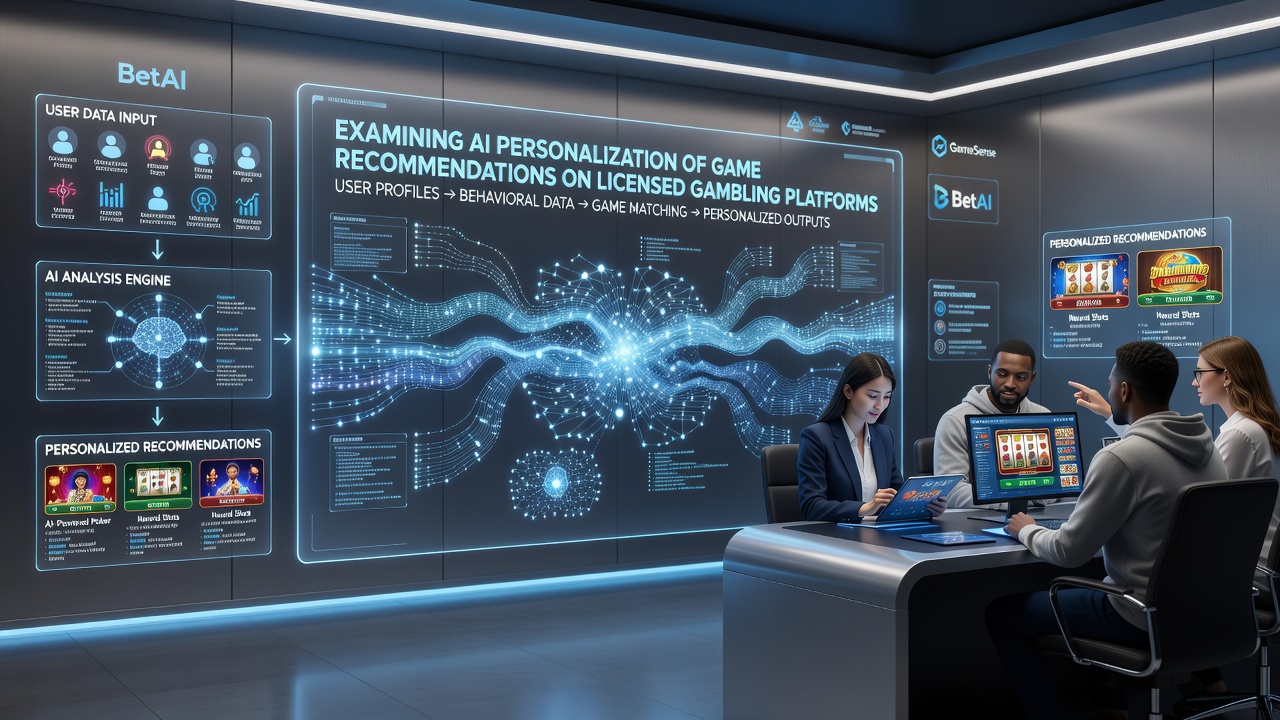
Artificial intelligence systems now process vast streams of player activity data on licensed gambling platforms to generate individualized game recommendations, and operators deploy these tools to match content with documented preferences while operating under regional licensing frameworks. Machine learning models examine betting patterns, session durations, game categories selected, and response rates to previous suggestions, then refine outputs in real time.
Core Mechanisms Behind AI Recommendation Engines
Collaborative filtering techniques compare one user's behavior against aggregated profiles from thousands of others who share similar histories, while content-based methods evaluate attributes of games already played such as volatility levels, theme elements, and payout structures. Reinforcement learning components test which recommendation sequences sustain engagement without exceeding responsible play thresholds set by platform rules.
These layered approaches allow platforms to surface titles a player has not yet tried yet align with established habits, and developers integrate feedback loops that update models after each completed session. Data indicates that such systems reduce the time users spend searching through libraries containing hundreds of options.
Implementation Across Different Jurisdictions
Licensed operators in North America, Europe, and Australia apply comparable technical standards yet adapt to local data protection statutes, and regulators in these regions require transparency reports detailing how algorithms handle user information. In July 2026 several Canadian provincial authorities updated guidance on algorithmic accountability, prompting platforms to document decision trees used for personalization.
One study conducted by researchers at the University of Nevada, Reno tracked recommendation accuracy rates exceeding 70 percent when models incorporated both short-term session data and longer-term preference shifts. Platforms report that integration of natural language processing further refines suggestions by analyzing in-game chat or support queries for implied interests.
Data Sources and Model Training Practices
Training datasets typically aggregate anonymized records of game selections, time spent per title, deposit and withdrawal frequencies, plus device and location signals permitted under licensing terms. Engineers apply clustering algorithms to segment users into cohorts, then generate ranked lists that prioritize titles popular within each group while excluding those flagged for responsible gambling interventions.
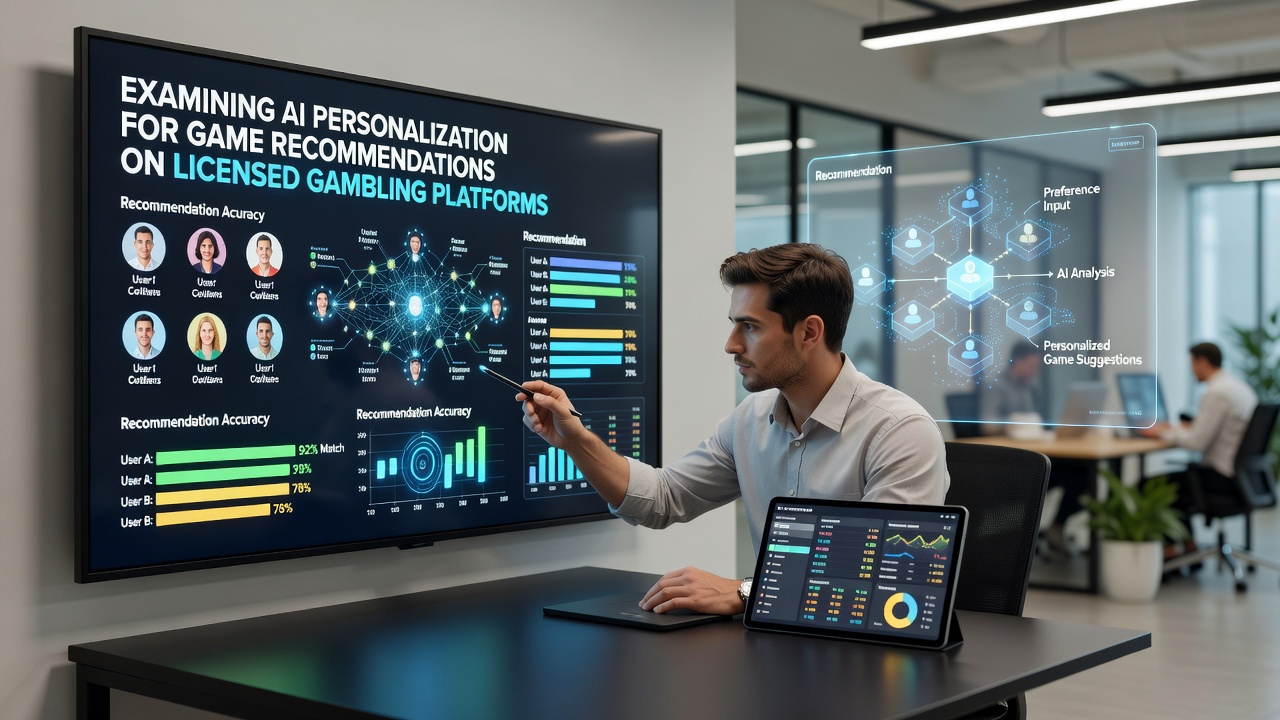
External validation comes from organizations such as the National Indian Gaming Commission, which examines algorithmic compliance during tribal gaming audits, and from reports issued by the Australian Institute of Criminology that review predictive modeling in digital wagering environments. These sources confirm that platforms maintain audit trails logging every recommendation served and the inputs that produced it.
Technical Challenges and Mitigation Strategies
Cold-start scenarios arise when new users lack sufficient history, prompting platforms to deploy hybrid models that blend demographic baselines with rapid onboarding quizzes. Overfitting risks emerge when models lock onto narrow patterns, so teams introduce regularization techniques and periodic retraining cycles using fresh data batches collected under privacy-preserving protocols.
Latency remains a concern during peak traffic periods, yet distributed computing architectures now deliver sub-second response times for most recommendation requests. Observers note that successful deployments balance computational efficiency against the need to incorporate newly released games without disrupting existing user profiles.
Future Developments in Algorithmic Personalization
Emerging work explores multimodal inputs that combine gameplay telemetry with biometric signals where permitted, and several operators have begun pilot programs testing graph neural networks to map complex relationships between game mechanics and player cohorts. Research published through the International Centre for Gaming Regulation continues to evaluate how these advances intersect with existing licensing conditions across multiple markets.
Conclusion
Artificial intelligence has become integral to how licensed gambling platforms deliver game recommendations that reflect documented user patterns, and continued refinement of these systems depends on transparent data practices plus adherence to evolving regulatory expectations in each jurisdiction. Platforms that maintain rigorous model governance while expanding personalization capabilities position themselves to meet both operational goals and compliance standards through 2026 and beyond.