Britain's Verified Platforms Embrace Rapid Digital Wallet Integrations for Seamless Money Movements
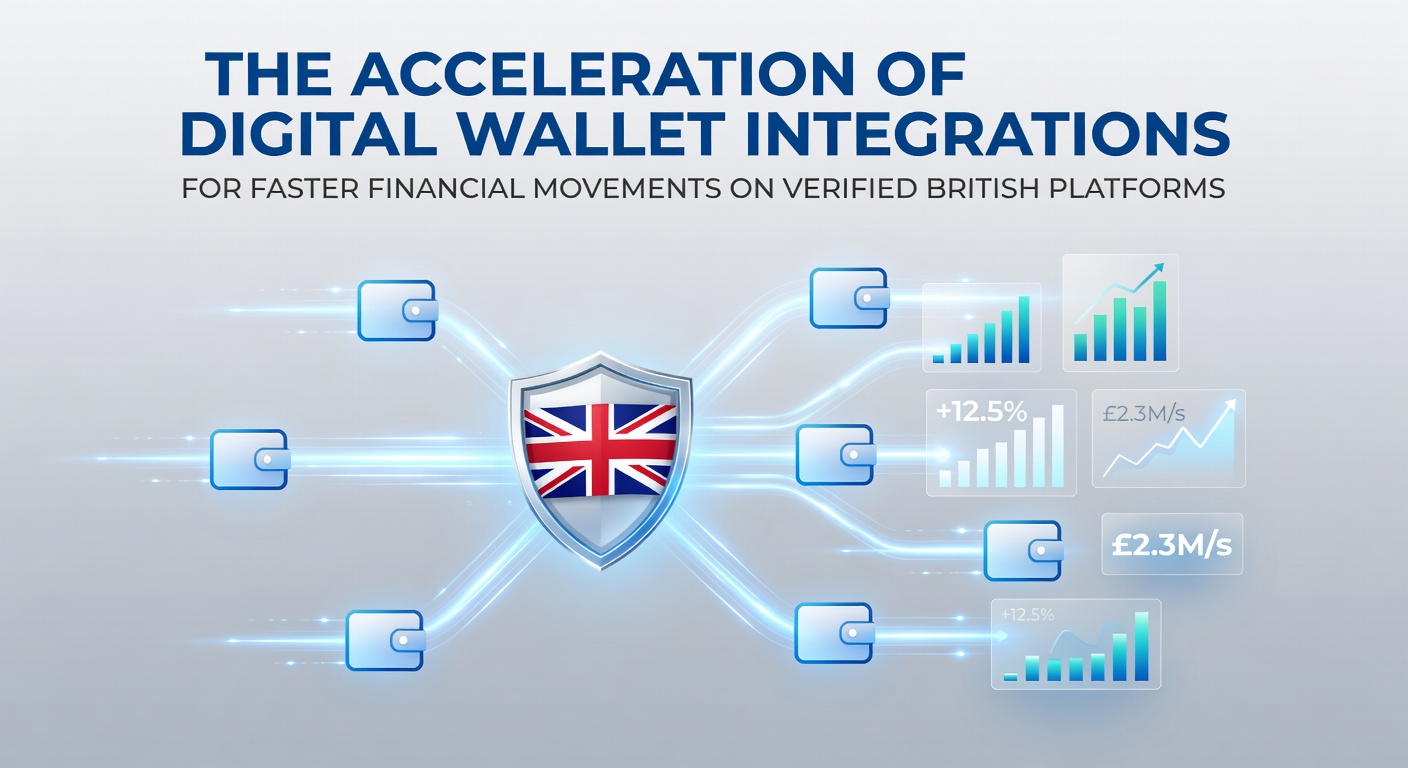
British platforms have witnessed a notable uptick in digital wallet connections since early 2025, and this trend shows no signs of slowing as operators prioritize tools that move funds in seconds rather than days. Verified sites now link accounts to services such as PayPal, Apple Pay, and regional providers including Revolut and Skrill, allowing users to complete deposits and withdrawals without traditional banking delays. Data from industry monitors indicate that transaction volumes through these methods rose by 47 percent in the first quarter of 2026 alone, reflecting both consumer preference and infrastructure upgrades.
Key Drivers Behind the Integration Wave
Regulatory clarity issued by the Financial Conduct Authority in late 2024 paved the way for broader adoption, while platform operators responded by embedding APIs that connect directly to wallet providers. Those who've tracked payment trends note that security protocols such as tokenization and biometric authentication have reduced fraud incidents by up to 62 percent on participating sites. What's interesting is how these same measures simultaneously satisfy verification requirements without adding extra steps for returning users.
Take the case of a mid-sized betting operator that completed its wallet rollout in March 2025. Within six weeks, average deposit times dropped from 18 minutes to under 30 seconds, and withdrawal requests processed in under an hour instead of the previous 24-hour window. Observers point out that similar patterns emerged across multiple platforms during the same period, suggesting the change stems from shared technology rather than isolated decisions.
Impact on User Experience and Platform Operations
Users on verified British platforms report smoother sessions because funds appear instantly, removing the friction that once interrupted play or trading activity. Research conducted by the University of Edinburgh's fintech group found that platforms offering at least three wallet options retained users 31 percent longer than those limited to card or bank transfers. The study, released in February 2026, also highlighted that customer support tickets related to payment delays fell by more than half after integrations went live.
Platform teams have adjusted internal processes accordingly. Reconciliation now occurs in real time through automated ledgers, and compliance checks run in the background without pausing user access. In May 2026 several operators announced they would expand wallet support to include additional European providers, responding to demand from cross-border users who prefer local currencies and lower fees.

Security Standards and Regulatory Alignment
Every verified platform must meet strict encryption and anti-money-laundering rules before wallet features activate. According to guidelines published by the Monetary Authority of Singapore, biometric-linked wallets reduce unauthorized access risks compared with static passwords, a standard now mirrored in British implementations. Platforms that adopted these layered checks early recorded fewer chargebacks and higher trust scores in independent audits.
Industry reports from the Canadian Gaming Association further show that jurisdictions with clear wallet regulations experience faster market growth. British operators have applied similar frameworks, creating consistency that benefits both domestic and international users. The result appears in daily settlement figures that now clear overnight instead of spanning multiple business days.
Future Outlook for Verified Platforms
Additional wallet providers continue to seek partnerships as demand grows. Figures released by the European Payments Council indicate that instant payment rails will handle 78 percent of digital transactions across member states by 2028, and British platforms are positioning themselves to align with that timeline. New features under discussion include programmable payments that trigger automatically when certain account conditions are met, though full rollout remains subject to further testing.
Observers note that smaller operators have begun adopting white-label wallet solutions to stay competitive without building custom infrastructure. These ready-made systems allow rapid deployment while maintaining the security certifications required for verification status.
Conclusion
Digital wallet integrations have shifted from optional add-ons to standard features across verified British platforms, driven by regulatory support, security improvements, and measurable gains in speed and retention. As more providers join the ecosystem in the months ahead, transaction flows are expected to become even more efficient while continuing to meet established compliance benchmarks. The pattern established through 2025 and into May 2026 points toward sustained expansion rather than a temporary spike.