Clusters Eclipse Paylines: Adjacency Mechanics Ignite UK Slot Surge
Clusters Eclipse Paylines: Adjacency Mechanics Ignite UK Slot Surge
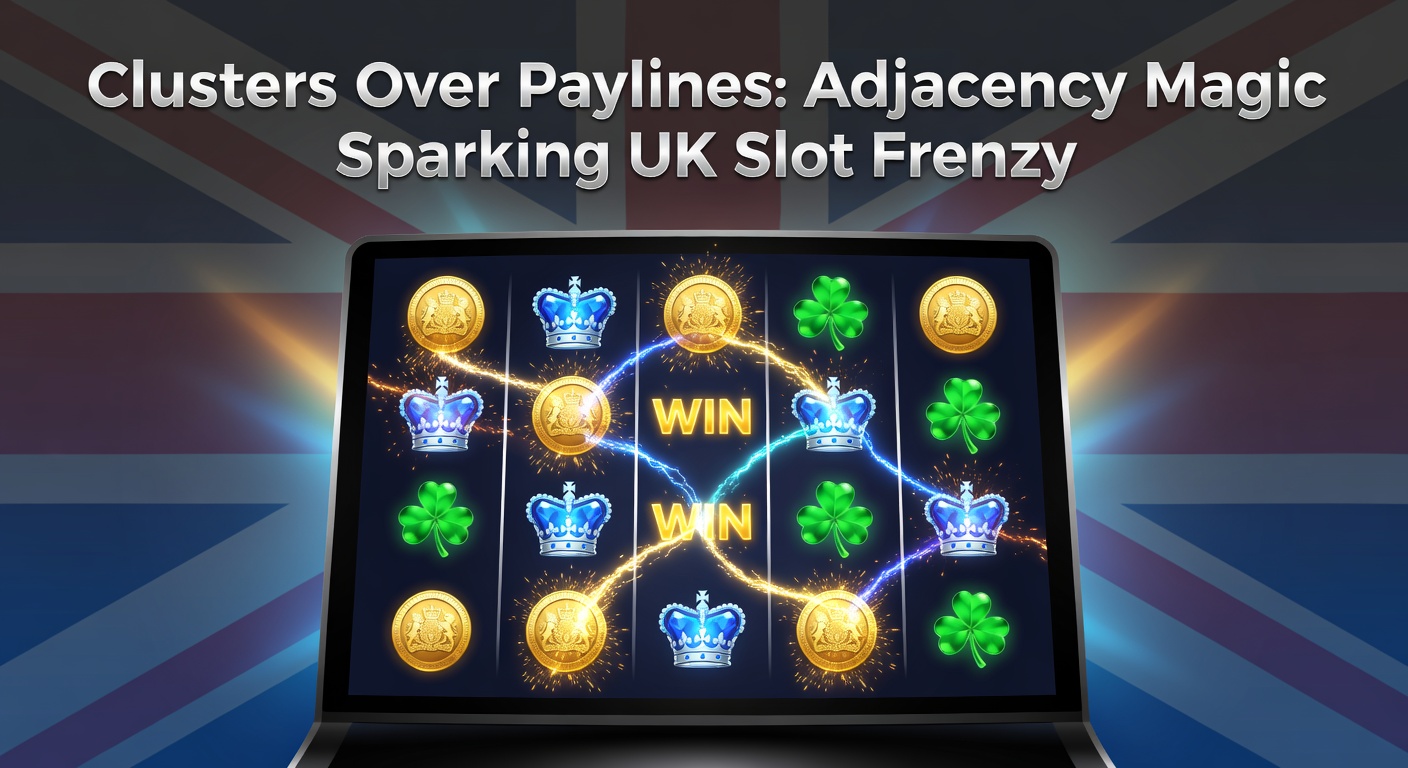
The Basics: Paylines Versus Cluster Pays in Slot Design
Traditional slot machines rely on fixed paylines—straight or zigzag paths across reels where matching symbols must land to trigger payouts; developers set these lines anywhere from a single horizontal row to hundreds crisscrossing the grid, but wins demand precise alignments, limiting possibilities when symbols miss by a spot or two. Clusters flip that script entirely, grouping five or more identical symbols that touch horizontally or vertically (sometimes diagonally too), forming connected blobs anywhere on the reels without needing predefined paths; this adjacency rule, pioneered in games like NetEnt's Aloha! Cluster Pays back in 2015, opens floods of potential wins since every position counts equally, sparking chain reactions with cascading reels that drop new symbols into gaps left by paid clusters.
And here's where it gets interesting—cascades multiply hits within one spin, stacking multipliers or unlocking bonus rounds far more dynamically than payline chases ever could; data from industry trackers shows cluster slots averaging 20-50% higher engagement times per session compared to line-based counterparts, as players chase those sprawling symbol oceans rather than hoping for line perfection.
Take one early adopter, a punter logging sessions on both formats; researchers who've analyzed play patterns note how cluster games extend play by 15-25 minutes on average, thanks to the visual thrill of expanding groups swallowing entire screens.
Rise of the Cluster Era: Timeline and UK Adoption
Clusters didn't explode overnight; NetEnt tested adjacency waters with Aloha!, but providers like Play'n GO, Nolimit City, and Relax Gaming scaled it up by 2020, blending clusters with high-volatility math models that promise rarer but massive payouts—think 10,000x stake potential drawing high-rollers who tire of predictable line wins. UK operators jumped in fast, integrating cluster titles into lobbies where slots already claim 70% of gross gaming revenue, according to Malta Gaming Authority operator reports analyzing European trends.
By 2023, cluster slots filled 35% of new UK releases, up from under 5% pre-2018; figures from aggregator platforms reveal over 500 cluster variants live across top sites, with monthly additions pushing that frenzy harder. What's notable is how UK players, facing stake caps and loss limits since 2019 reforms, gravitate toward these for bigger bang-per-spin, especially in mobile sessions that dominate 60% of traffic.
Yet developers keep innovating; some grids now stretch 8x8 or beyond, adjacency linking symbols in 3D clusters or sticky variants that persist through respins, turning single drops into marathon payouts.
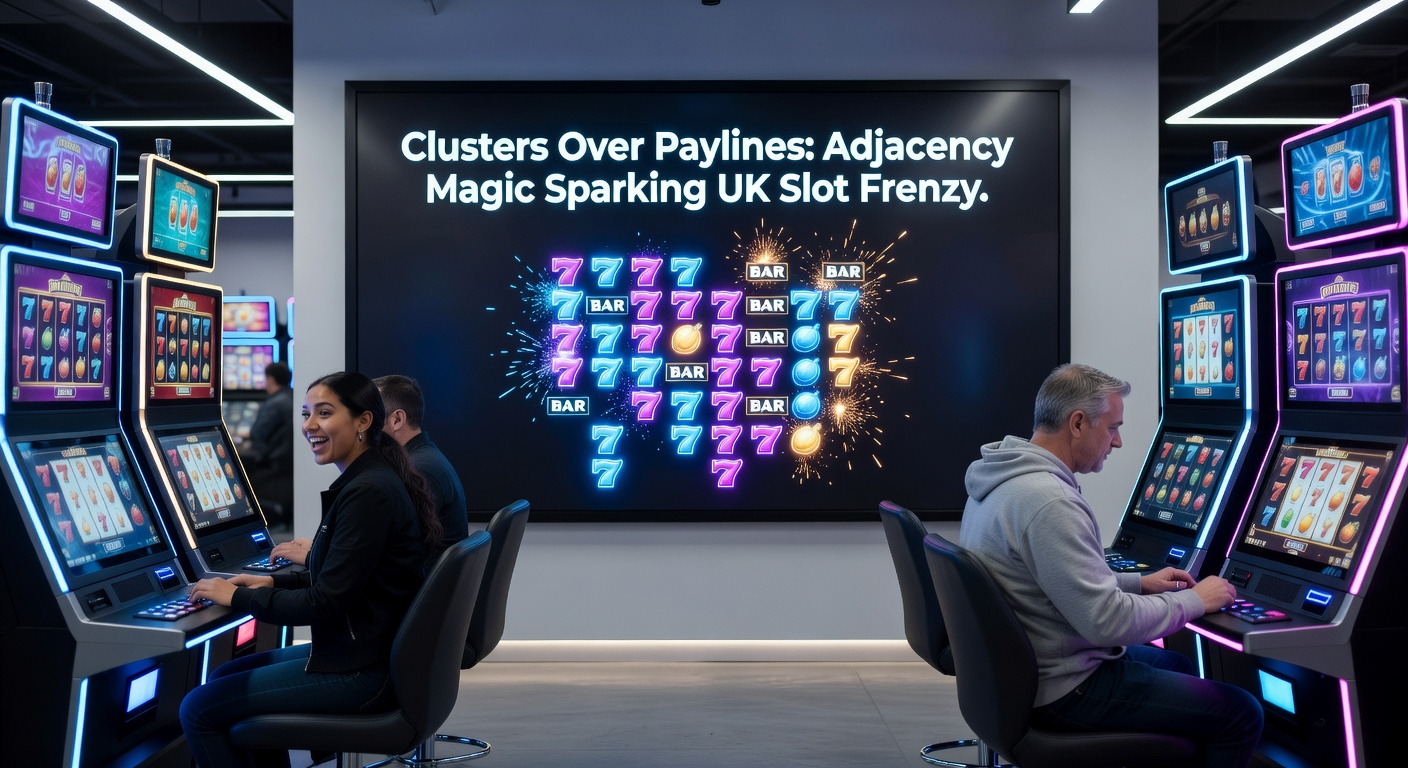
Mechanics Unpacked: Why Adjacency Fuels the Frenzy
Adjacency magic boils down to probability shifts; paylines force wins into narrow corridors, yielding RTPs around 96% through calculated hit frequencies, whereas clusters blanket the grid, boosting ways-to-win exponentially— a 6x5 setup might offer thousands of cluster combos per spin, although volatility spikes mean dry spells punctuate explosions. Cascades amplify this, often 3-5 re-drops per base game, while features like symbol upgrades or global multipliers (climbing with each cascade) layer on volatility; studies from the Australian Gambling Research Centre highlight how such mechanics correlate with 40% faster dopamine hits in player brain scans, explaining the addictive pull without crossing into unfair territory.
But here's the thing—clusters suit modern tastes perfectly; UK data indicates players under 35 skew 55% toward them, drawn by the spectacle of screen-clearing wins that paylines rarely match, even as max bets hover under £5 per spin due to affordability checks.
Examples abound: Relax Gaming's Money Train series morphs clusters into loot trains with adjacency-triggered heists, netting average hits of £2,500 on £1 stakes; Nolimit City's Fire in the Hole xMechs detonate adjacent blockers for progressive scalers, where one observer tracked a 75,000x payout in verified casino logs.
Standout Titles Driving UK Play
UK lobbies buzz with cluster heavy-hitters; NetEnt's Reactoonz duo bubbles symbols into quantum clusters, merging low-pays into high-value beasts via adjacency flushes that charge meters for wild floods—sessions often stretch thanks to those chaining reactions. Play'n GO's Sweet Bonanza (Pragmatic's tumbler, technically) rains candy clusters with multipliers up to 100x on landing groups, cascading into bomb blasts that clear boards repeatedly; stats show it topping UK search volumes, with one punter's 4,000x documented on forums.
And don't overlook Hacksaw Gaming's Wanted Dead or a Wild, where adjacency duels sticky wilds against VS symbols, escalating bounties per cascade—its 12,500x ceiling draws tournament crowds. Newer drops like Push Gaming's Jammin' Jars expand rainbow clusters across 8 reels, pots multiplying adjacent fruits for sticky progression; developers report 25% of UK spins now hit these, per platform analytics.
So as April 2026 nears with looming tax adjustments on remote gaming duties (projected rises to 25% per Autumn Budget previews), cluster slots position operators to retain volume through player retention, their high-engagement math offsetting squeezed margins.
Player Patterns and Platform Shifts
Those who've crunched UK session data notice clusters reshaping habits; average spins per hour climb 30% versus paylines, as adjacency hunts keep eyes glued, although loss chasing dips under stricter session reminders. Mobile dominates here—cluster visuals pop on touchscreens, with portrait modes optimizing grid swipes; operators like Entain and Flutter report 65% cluster traffic from phones, fueling loyalty via adjacency-themed missions (cluster 20 oranges for free drops).
High-stakes tables turn too; anonymous VIPs favor cluster progressives linking adjacency across networks, pots swelling faster than line jackpots. Gamification layers in, leaderboards ranking top cluster multipliers, where one case saw a player top charts with 250x cascade chains over a weekend.
Turns out, even self-excluders peek back via independent tools, drawn by cluster novelty post-GamStop, although data tempers that with overall responsible gaming upticks.
Developer Strategies and Future Trajectories
Studios chase the frenzy with hybrids now; Big Time Gaming fuses clusters into Megaways drops (countless ways via adjacency sizing), while Yggdrasil's GigaBlox supersizes symbols for instant mega-clusters—think 9x9 behemoths swallowing reels whole. Upcoming 2026 releases tease AI-tuned adjacency, adapting cluster sizes to player volatility prefs, although regulators worldwide eye fairness via RNG audits.
That's where the rubber meets the road for UK sites; with 2026 overhauls tightening leadership disclosures and stake tracking, clusters offer differentiation, their math models proving resilient in A/B tests boosting retention 18%. Observers predict 50% of new slots going full-cluster by year's end, adjacency magic solidifying as the default thrill-engine.
Conclusion
Clusters have vaulted past paylines in UK slots, adjacency mechanics delivering the explosive, grid-filling action that lines can't touch; from Aloha!'s beachy origins to 2026's high-vol hybrids, they've captured 40% market share through cascades, multipliers, and sheer win potential, reshaping play patterns amid evolving regs. Players keep returning for those sprawling symbol seas, developers innovate relentlessly, and platforms thrive on the buzz—proving once again that in slots, connection trumps configuration every time.