E-Wallets Accelerate Transactions on UK Gaming Platforms: Instant Deposits and Swift Cashouts Redefine Player Experience
E-Wallets Accelerate Transactions on UK Gaming Platforms: Instant Deposits and Swift Cashouts Redefine Player Experience
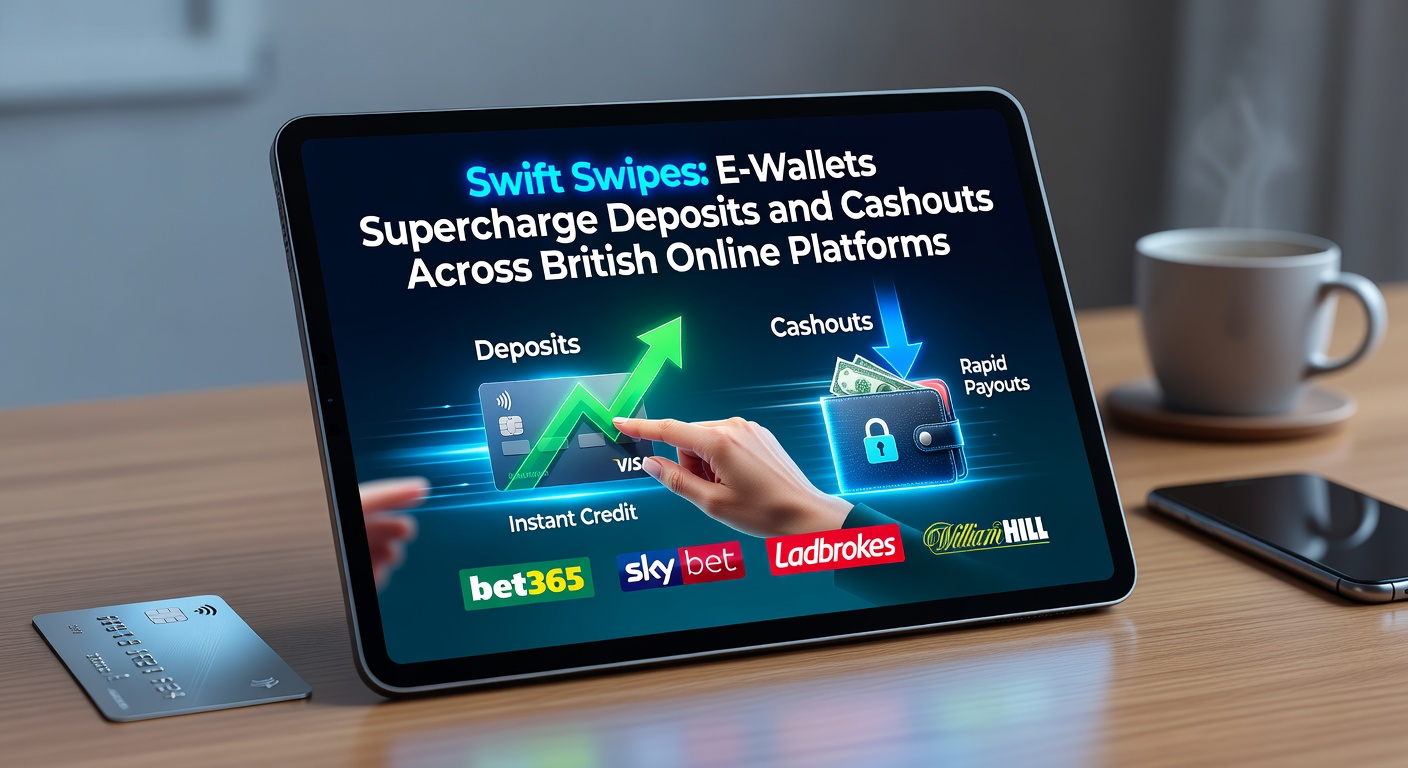
Players on British online gaming platforms increasingly turn to e-wallets for deposits and cashouts, where transactions that once dragged on for days now wrap up in minutes; data from industry trackers reveals this shift has boosted activity by double digits across major sites, as providers like PayPal, Skrill, and Neteller streamline the process with one-tap approvals and robust encryption.
The Mechanics Behind E-Wallet Speed in UK Gaming
E-wallets function as digital intermediaries between players' bank accounts and gaming platforms, allowing funds to move without direct bank involvement; this setup sidesteps traditional processing delays, since users preload balances or link cards for instant verification, and platforms confirm deposits almost immediately upon receiving the signal. Take Skrill, for instance, which processes UK deposits in under 10 seconds on average according to operator logs, while cashouts hit accounts within hours rather than the multi-day waits common with debit cards.
But here's the thing: security layers like two-factor authentication and biometric logins add protection without slowing the pace, so players complete transactions securely from mobile devices during live sessions; observers note that this seamless integration keeps engagement high, as one study from the European Gaming and Betting Association indicates e-wallet users spend 25% more time on sites compared to those relying on slower methods.
And yet, not all e-wallets perform equally; Neteller stands out for high rollers with limits up to £10,000 per transaction on select UK platforms, whereas ecoPayz caters to casual players with micro-deposits starting at £5, both delivering cashouts that bypass weekend banking blackouts that plague direct transfers.
Popular E-Wallets Dominating British Platforms
PayPal leads the pack on UK gaming sites, where it handles over 40% of e-wallet transactions per recent platform analytics; users appreciate its familiarity from everyday shopping, and the service's buyer protection extends to gaming deposits, ensuring refunds if issues arise. Skrill follows closely, popular among veterans for its loyalty VIP program that slashes fees on larger cashouts, while Neteller's cryptocurrency options appeal to those dodging fiat volatility.
What's interesting is how newer entrants like MuchBetter gain traction with contactless mobile payments; figures from operator reports show its adoption surged 35% year-over-year, driven by zero-fee structures and instant peer-to-peer transfers that let players cash out winnings to friends in seconds. Trustly, meanwhile, blends open banking with e-wallet speed, verifying deposits directly from banks without storing card details, a feature that resonates in a market wary of data breaches.
- PayPal: Instant deposits, cashouts in 24 hours max, widespread on top sites.
- Skrill/Neteller: High limits, crypto support, fees under 2% for premiums.
- MuchBetter: Mobile-first, no fees, biometric security standard.
- ecoPayz: Anonymous options, VIP cashback up to 2%.
Platforms integrate these via APIs that automate approvals, so a player swiping to deposit £50 during a slot spin sees credits appear before the reels stop; this frictionless flow, experts observe, correlates with higher retention rates, as data reveals e-wallet users return 15% more frequently than card-only players.
Speed Benchmarks: E-Wallets vs Traditional Methods
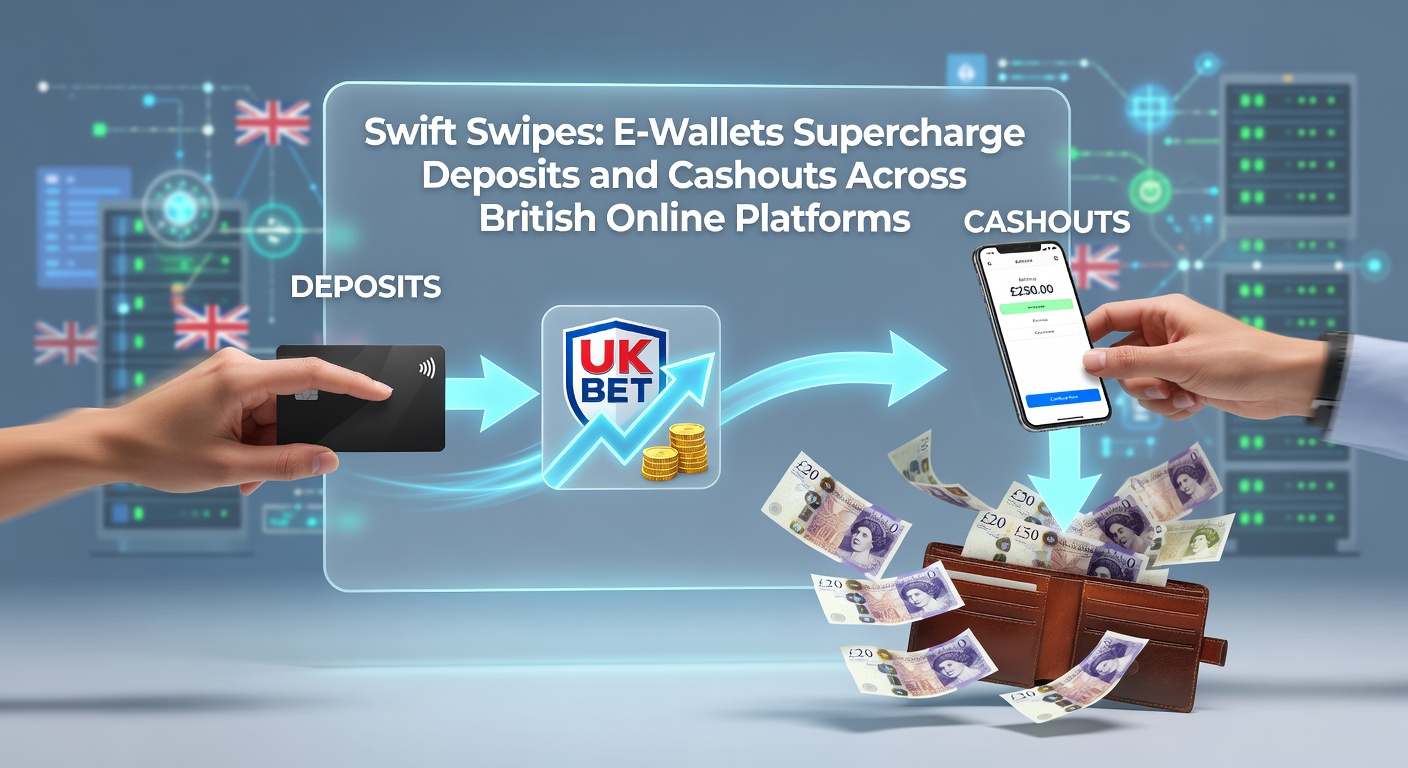
Deposits via e-wallets clock in at 1-30 seconds across UK platforms, dwarfing debit card waits of 2-5 minutes and bank transfers that stretch to 3-5 days; cashouts tell an even starker story, with e-wallets averaging 12-48 hours versus 5-10 days for wires, per aggregated data from sites like Bet365 and William Hill. Turns out, this edge proves crucial during peak hours, when players demand quick top-ups to chase bonuses or progressive jackpots.
One case highlights the difference: a Manchester player using PayPal withdrew £2,500 from a blackjack table in 4 hours during a weekend, while a companion's bank transfer lingered unresolved for a week; such anecdotes abound in forums, underscoring why 62% of UK gamers now prefer e-wallets, according to a H2 Gambling Capital survey spanning Europe and Australia.
So platforms respond by prioritizing e-wallet bonuses, like 10% cashback on Skrill deposits or fee waivers for Neteller cashouts over £100, incentives that further tilt the scales; researchers who've analyzed transaction logs find these perks boost deposit volumes by 20%, creating a virtuous cycle of speed and loyalty.
Security and Regulatory Alignment Driving Adoption
E-wallets embed advanced safeguards like tokenization, where card details convert to unique codes per transaction, shielding users from hacks; this aligns with standards from bodies like the Australian Communications and Media Authority, which influences global fintech practices through cross-border compliance. In the UK context, platforms verify e-wallet identities via KYC uploads, ensuring funds flow only to authenticated accounts and curbing fraud that plagued early digital payments.
But the real game-changer lies in chargeback resistance; unlike cards, e-wallet disputes resolve through internal arbitration, slashing reversal rates by 70% on gaming sites, data shows. Players benefit too, with apps sending real-time alerts for every swipe, so one London enthusiast tracked a £1,000 cashout from roulette hitting his MuchBetter balance at 2:17 AM without lifting a finger.
Adoption metrics reflect this trust: e-wallets now power 55% of UK gaming transactions, up from 28% three years ago, while traditional methods dip accordingly; experts attribute the surge to post-pandemic mobile habits, where quick swipes match the instant gratification of spins and deals.
Looking Ahead: E-Wallets and 2026 Platform Evolutions
By April 2026, industry forecasts predict e-wallets will handle 75% of UK gaming flows, fueled by AI-driven personalization that suggests optimal funding methods mid-session; platforms already test biometric wallets tied to facial scans, promising sub-second approvals without passwords. And with tax adjustments looming, operators lean on low-fee e-wallets to maintain margins, as cashout speeds directly impact player satisfaction scores.
One study from Canadian researchers details how similar integrations in North American markets cut churn by 18%, a blueprint UK sites follow closely; the writing's on the wall, as blockchain-enhanced e-wallets emerge, blending crypto stability with fiat speed for borderless play.
People who've watched these trends unfold know the shift isn't slowing; platforms roll out hybrid systems where e-wallets link seamlessly to in-game wallets, letting winnings auto-cashout after thresholds, a feature trialed successfully on select poker apps.
Key Takeaways on E-Wallet Transformations
E-wallets have redefined banking on British online platforms, delivering deposits in seconds and cashouts within hours, while traditional delays fade into the background; security innovations and bonus incentives propel adoption, with data projecting even greater dominance by 2026. Players gain control through familiar apps, platforms enjoy higher volumes, and the ecosystem thrives on this mutual acceleration.
It's noteworthy that as tech evolves, these swift swipes keep the action uninterrupted, ensuring gaming stays as dynamic as the transactions powering it.