Greater Manchester Mayor Andy Burnham Advances £460 Million Tax Proposal for High-Street Slots and Casinos
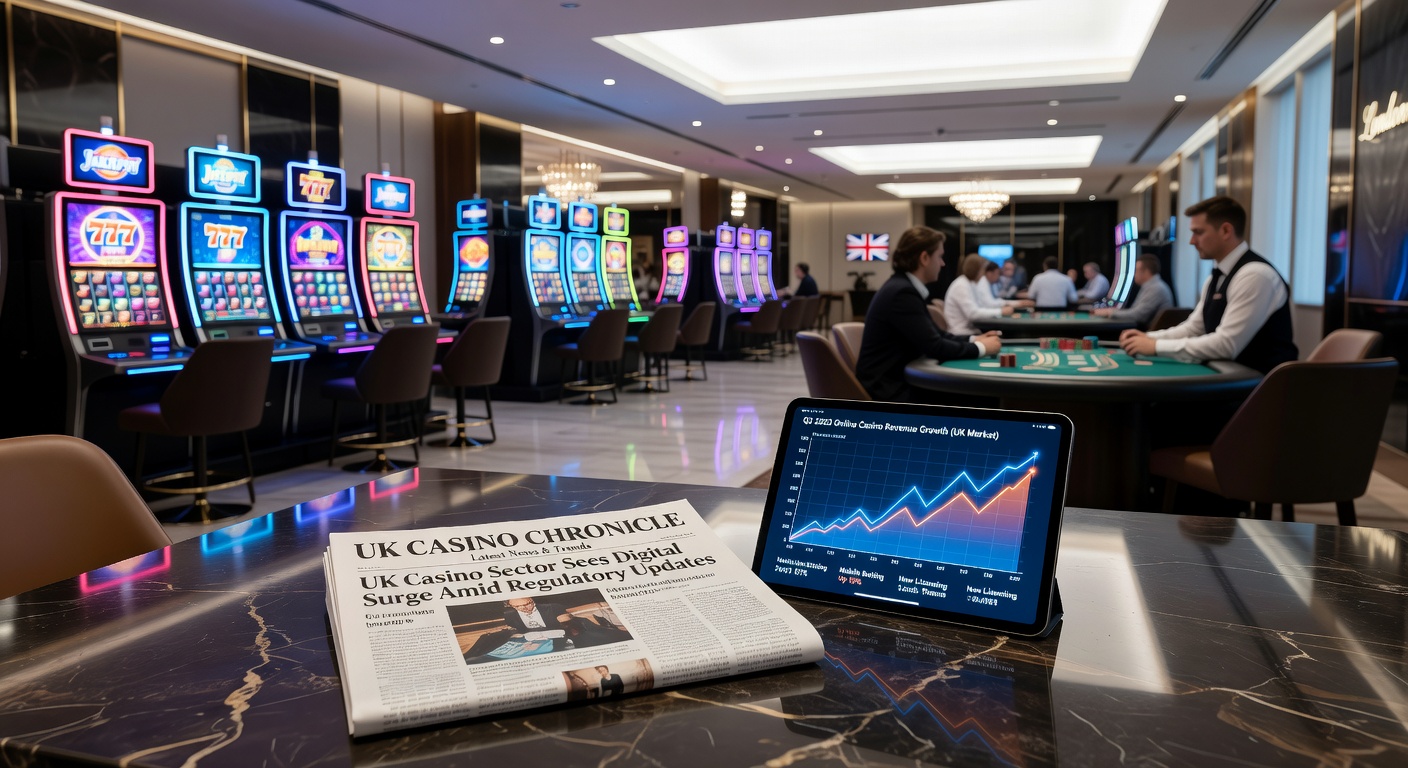
Proposals from Greater Manchester Mayor Andy Burnham call for a £460 million tax increase on high-street slot machines and casinos, a move that has entered public discussion during July 2026 amid national conversations on gambling sector contributions, and the plan targets land-based venues where fixed-odds betting terminals and other gaming machines generate substantial revenue streams for local economies while drawing attention from policymakers seeking additional fiscal resources.
Details released in recent weeks outline how the tax adjustment would apply across multiple sites in the Greater Manchester area, with calculations based on current machine numbers, turnover figures, and existing duty rates that operators already remit to central government, and this approach builds on earlier reviews of business rates and leisure taxes that affect entertainment districts throughout the region.
Background to the Tax Measure
Andy Burnham's office presented the figures as part of a broader strategy to balance local budgets while addressing infrastructure needs that include public transport upgrades and community facilities, and the proposal arrives at a time when several UK cities examine similar revenue tools in response to post-pandemic recovery costs and ongoing service demands.
High-street casinos and arcades equipped with slot machines currently operate under frameworks set by national legislation, yet local authorities retain certain powers to influence premises through licensing conditions and supplementary charges, and observers note that the £460 million estimate reflects projected annual yields once phased implementation begins in the coming fiscal periods.
Stakeholder Responses and Sector Context
Industry representatives have begun reviewing the potential impact on employment levels at venues that range from large casinos in central Manchester to smaller high-street arcades in surrounding boroughs, and data from operator filings indicate these locations support thousands of direct jobs plus supply-chain roles in maintenance, security, and hospitality services.
Local government documents emphasize that any new levy would undergo consultation rounds involving venue owners, trade associations, and community groups before final adoption, while analysts from financial advisory firms highlight how parallel tax discussions at the national level in 2026 create overlapping considerations for businesses that hold multiple licenses across different jurisdictions.

Economic and Regulatory Dimensions
Revenue projections attached to the proposal draw on historical performance metrics from land-based gaming, where participation rates and average spend per visit have remained relatively stable despite wider economic fluctuations, and accountants familiar with the sector point out that operators already navigate a combination of value-added tax, corporation tax, and specific gambling duties administered through HM Revenue and Customs.
Comparisons wth approaches taken in other regions appear in some briefing papers, such as analyses prepared by the OECD Centre for Tax Policy and Administration, which examine how targeted levies on gaming machines influence investment decisions and venue modernization plans across member countries, and these international perspectives provide additional context for the Greater Manchester discussions without altering the core local focus.
Implementation Timeline and Next Steps
Consultation documents circulated in July 2026 set out a schedule that includes public meetings, written submissions from affected parties, and modeling exercises to refine the final tax structure, and officials have indicated that any approved measures would likely take effect incrementally to allow businesses time to adjust pricing, staffing, and operational strategies.
Financial modeling shared so far suggests the £460 million figure assumes no significant reduction in machine numbers or player activity following introduction, although sensitivity tests included in the paperwork explore scenarios where participation shifts occur, and these projections remain subject to revision once feedback from the consultation period is incorporated.
Conclusion
The proposed tax increase represents one element within wider fiscal planning efforts led by the Greater Manchester Combined Authority, and further updates are expected as the consultation process advances through the remainder of 2026, with stakeholders across the gaming sector and local government continuing to exchange data and assessments on the measure's design and reach.