Holiday Traditions Reshaping Reward Systems on Regulated British Betting Platforms
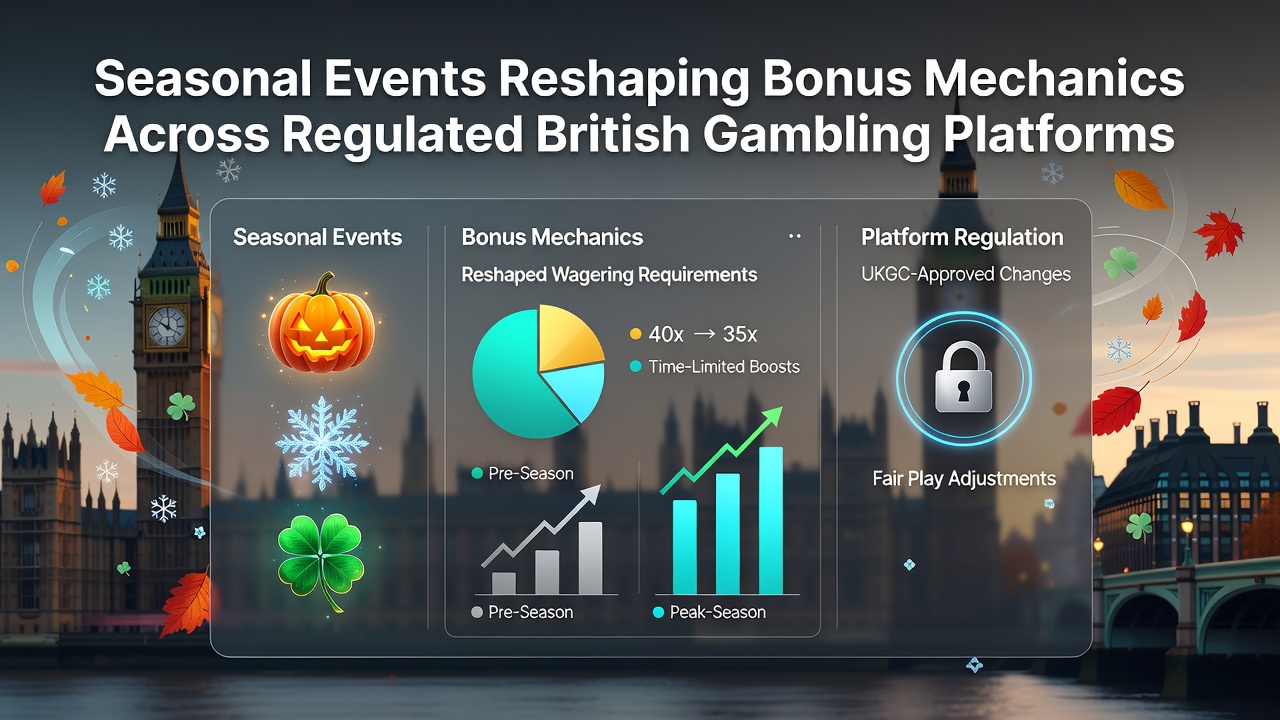
Seasonal events continue to influence how operators structure promotional offers on licensed British platforms, with Christmas campaigns, Halloween specials, and summer promotions driving adjustments to bonus values, eligibility rules, and reward formats. Data from industry reports shows increased participation during these periods, prompting platforms to modify match percentages, free spin allocations, and cashback terms to align with player activity patterns observed year after year.
Christmas and New Year Campaigns Drive Deposit Match Adjustments
Operators typically introduce elevated deposit match rates during December and early January, with some platforms raising standard offers from 100% to 150% or higher on selected games while maintaining compliance with existing wagering thresholds. These changes often coincide with themed slot releases that feature festive symbols and bonus rounds, allowing players to unlock additional spins through specific deposit milestones. Research from the European Gaming and Betting Association indicates that such timed promotions correlate with higher average session lengths across participating sites, though individual outcomes vary based on game selection and personal bankroll management.
Halloween Events Introduce Themed Free Spin Mechanics
October promotions frequently incorporate limited-time free spin packages tied to horror-themed titles, where operators cap the number of spins per player while adjusting expiry windows to encourage quicker engagement. Some platforms layer these offers with progressive multipliers that build across multiple days, creating a structure where daily logins contribute to escalating rewards. Observers note that this approach spreads activity more evenly throughout the month compared to single-day events, reducing the concentration of play around peak dates like October 31.
Summer Holiday Periods Trigger Cashback and Loyalty Enhancements
June through August brings modifications to cashback percentages on net losses, with several regulated operators extending eligibility to a broader range of table games and live dealer options during these months. In June 2026, multiple platforms rolled out extended cashback windows that covered the entire summer period, allowing accumulated losses to qualify for returns at rates up to 15% under specific volume conditions. These adjustments reflect patterns identified in player behaviour studies, where extended daylight hours and vacation schedules lead to more frequent but shorter gaming sessions.
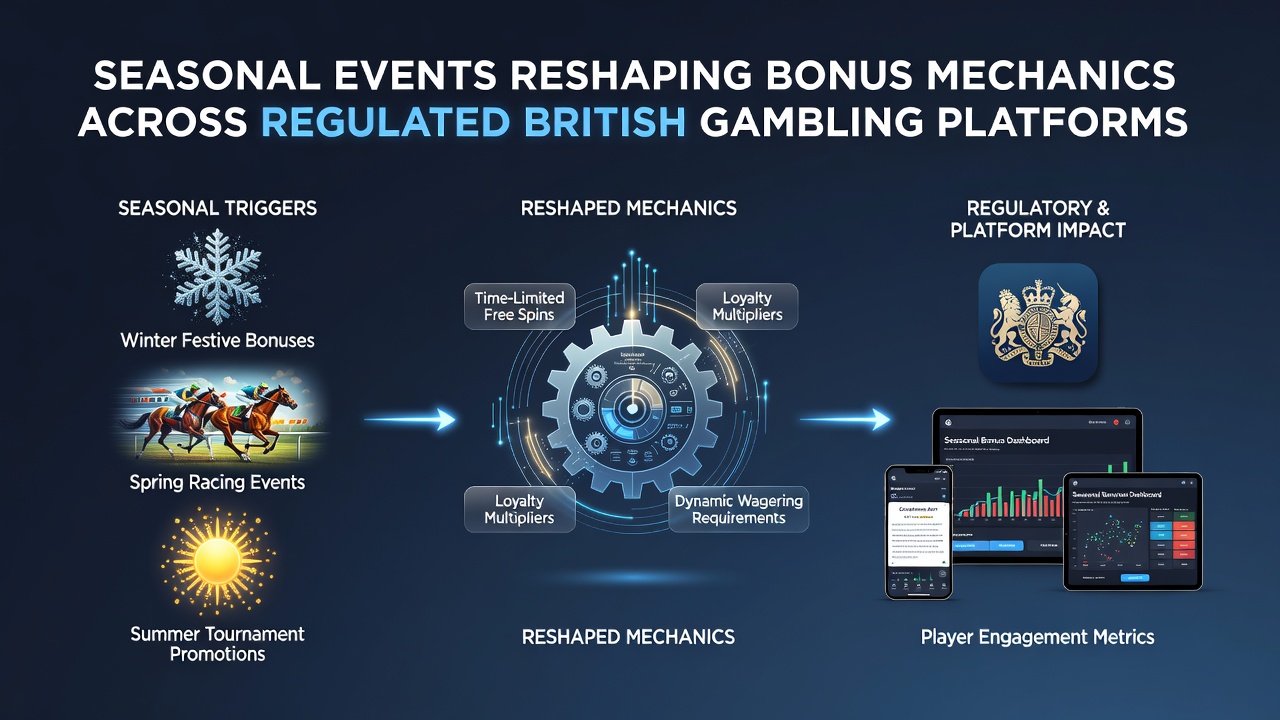
Platforms also introduce tiered loyalty points during summer, where standard earning rates receive temporary boosts when players reach defined deposit thresholds within a seven-day window. This mechanic encourages consistent activity without requiring large single transactions, and it integrates with existing VIP structures rather than replacing them. Data compiled by Gambling Research Exchange Ontario shows similar seasonal loyalty adjustments in other regulated markets produce measurable increases in repeat visits when combined with clear communication about point expiry rules.
Easter and Spring Events Focus on Low-Deposit Entry Points
Operators often lower minimum deposit requirements for bonus qualification around Easter, enabling smaller-stake players to access matched funds or spin packages that would otherwise require higher entry amounts. These offers frequently pair with slot tournaments where leaderboard positions determine additional prizes, creating a competitive layer that extends beyond standard bonus play. The structure maintains responsible gambling safeguards, including session reminders and spending limits that remain active regardless of promotional participation.
Regulatory Compliance Shapes Seasonal Offer Boundaries
All modifications to bonus mechanics must adhere to licensing conditions that govern advertising, eligibility verification, and prize distribution timelines. Platforms coordinate with third-party auditors to ensure promotional terms remain transparent, particularly when introducing time-limited features or game-specific restrictions. Industry organisations such as the European Gaming and Betting Association publish guidelines that help operators align seasonal campaigns with broader responsible gambling frameworks across multiple jurisdictions.
Player Response Patterns Inform Future Adjustments
Analytics teams track redemption rates, average bonus values claimed, and post-promotion retention to refine subsequent seasonal offerings. Platforms that introduced mobile-optimised bonus claims during the 2025 holiday period reported higher completion rates for multi-step promotions compared to desktop-only interfaces. These findings influence how operators design entry mechanics for 2026 campaigns, prioritising seamless transitions between different device types while preserving audit trails required by licensing authorities.
Conclusion
Seasonal events continue to serve as catalysts for structured changes in bonus mechanics across Britain's regulated gambling sector, with operators adapting deposit matches, spin allocations, and loyalty features in response to observed player behaviour. These adjustments operate within established compliance frameworks that prioritise transparency and player protection, producing measurable shifts in activity patterns during peak periods. Continued monitoring by industry researchers and regulatory bodies will determine how these seasonal modifications evolve in response to technological developments and market data collected over successive years.