Major 2026 Overhauls Reshape UK Gambling Sector: Tax Hikes, Leadership Shake-Ups, and Tighter Rules
Major 2026 Overhauls Reshape UK Gambling Sector: Tax Hikes, Leadership Shake-Ups, and Tighter Rules

Observers in the UK gambling industry have watched closely as 2026 brings a wave of transformative changes, starting with steep tax increases and regulatory tweaks that promise to alter the landscape for operators and players alike; these shifts, detailed in recent industry reports, target online gaming particularly hard while addressing broader market dynamics.
Remote Gaming Duty Jumps to 40%: A Game-Changer for Online Slots and Casinos
The standout shift hits on April 1, 2026, when Remote Gaming Duty surges from 21% to 40% specifically for online slots and casino games; this move, aimed at generating over £1 billion in annual revenue for the Treasury, spares sports betting and other remote activities at lower rates, but operators in the casino space face immediate pressure to adapt their models.
What's interesting is how this tax hike builds on consultations that wrapped up in late 2025, with final details emerging by March 2026 through government announcements; bingo operators, on the other hand, catch a break since Bingo Duty gets repealed entirely around the same time, potentially boosting that niche while online casinos recalibrate.
Data from fiscal analyses shows the new duty could squeeze profit margins significantly, especially as gross gambling yield for remote casino games hovered around £3.5 billion in recent years; those who've crunched the numbers note that smaller platforms might struggle most, prompting consolidations or exits from the market.
Andrew Rhodes Steps Down as Gambling Commission CEO
Adding to the turbulence, Andrew Rhodes, the Gambling Commission's Chief Executive, departs on April 30, 2026, after steering the regulator through years of intensified oversight; his exit comes amid these fiscal and rule changes, leaving the Commission to navigate implementation under new leadership yet to be named.
Experts who've followed Rhodes' tenure point out his role in pushing affordability checks and safer gambling measures, so his departure raises questions about continuity even as the body enforces the incoming rules; the timing, just weeks after the tax hike kicks in, underscores a period of flux for the entire sector.
Illegal Gambling Market Expands Amid Regulatory Pressures
But here's the thing: while legal operators brace for higher taxes, the illegal gambling market has grown to claim between 5.3% and 9% of the overall share, according to recent estimates; this underground surge, fueled by black-market sites offering unrestricted play, poses risks to players and revenue alike, with figures revealing billions potentially lost to unregulated platforms.
Researchers tracking these trends observe that lax enforcement overseas and player frustration with compliance burdens drive the shift; in response, UK authorities ramp up efforts to block illicit domains, yet the growth persists, highlighting challenges that the 2026 changes aim to counter indirectly through stronger legal incentives.
New Promotional Rules Clamp Down on Bonuses from January 19, 2026
Turning to player-facing changes, stricter promotional rules take effect on January 19, 2026, capping bonus wagering requirements at 10x the deposit or bonus amount, a sharp limit designed to make offers more transparent and less burdensome; at the same time, mixed-product promotions—those bundling casino games with sports bets—face an outright ban, reshaping how sites attract and retain users.
These measures, rolled out after March 2026 pilots and feedback loops, stem from efforts to curb problem gambling while preserving competitive marketing; operators must rework their welcome packages accordingly, with early adopters already testing compliant versions that emphasize straightforward free spins or cash matches.
One case that stands out involves major platforms previewing these updates in Q1 2026, where data indicated quicker player conversions under the new caps, although overall bonus volumes might dip as creativity gets constrained.
Financial Ripples Hit Operators Like Flutter and Evoke
The combined weight of these shifts lands heavily on listed companies; Flutter Entertainment, for instance, saw its shares dip in anticipation, with analysts projecting a hit to remote gaming profits from the duty increase alone, potentially shaving hundreds of millions off earnings.
Evoke, another key player, faces similar headwinds, as its casino-heavy portfolio absorbs the 40% rate fully; reports detail how both firms lobby for phased implementation during March 2026 Treasury reviews, yet the changes proceed, forcing balance sheet adjustments and possible divestitures.
Turns out, the reality is that diversified giants like these can weather it better than pure-play casino operators, who might see margins compress from 15-20% to single digits post-tax; investors watch closely as Q1 2026 earnings reveal the true toll.
Looking Ahead: Financial Checks, Crypto Pilots, and Online Casino Evolution
And yet, the reforms don't stop at taxes and bonuses; pilots for enhanced financial risk checks launch in early 2026, building on 2025 trials to flag high-spending players more proactively, while whispers of regulated crypto payments gain traction, potentially opening doors to blockchain-based deposits by mid-year.
Those studying the sector note how these pilots, refined through March 2026 consultations with the UK Gambling Commission, could integrate with the new duty regime, ensuring compliant innovation amid the squeeze; online casinos, in particular, stand to evolve, with faster, safer transactions possibly offsetting some regulatory drags.
It's noteworthy that this holistic approach—taxes up, rules tighter, tech forward—aims to modernize a market worth tens of billions, although short-term pain for operators seems inevitable as they pivot.
Conclusion: A Pivotal Year for UK Gambling
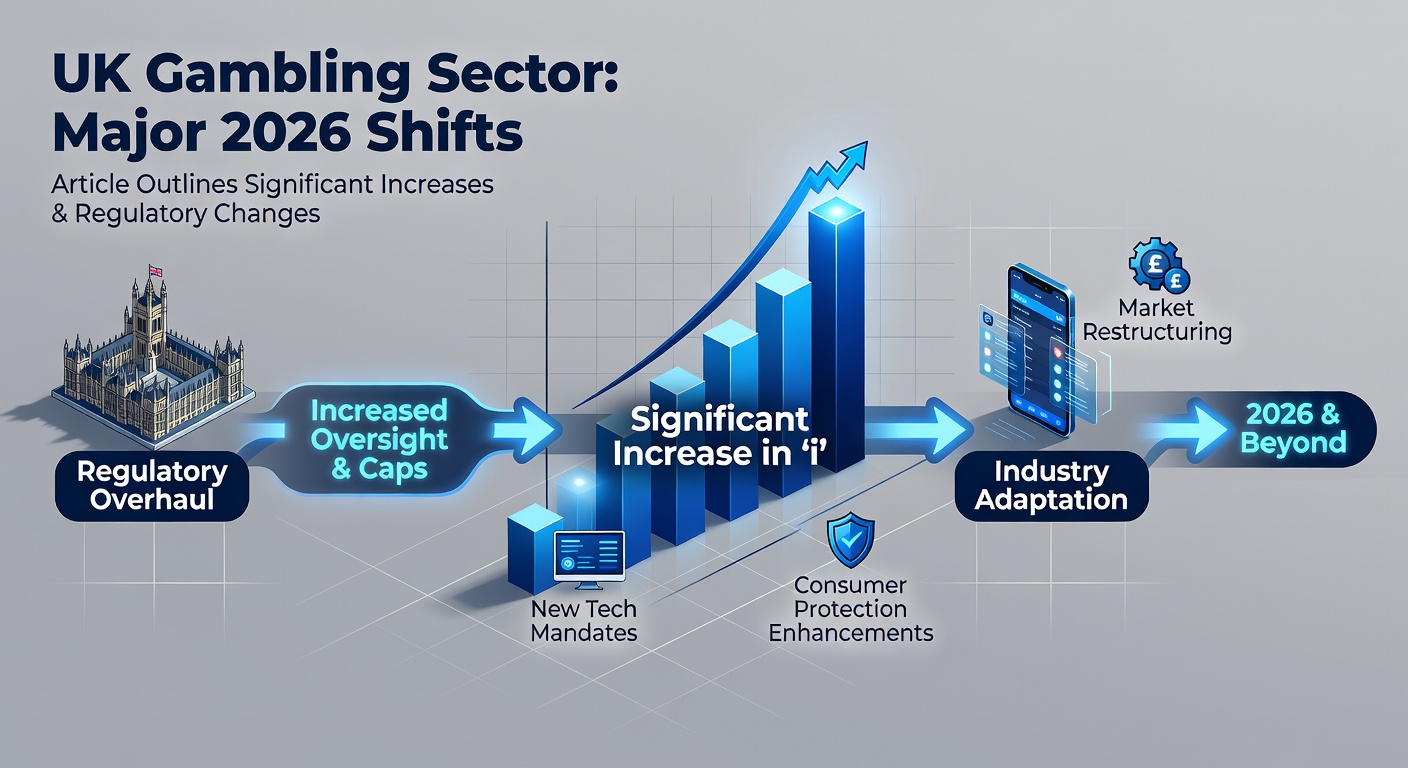
So, as 2026 unfolds with Remote Gaming Duty at 40%, Rhodes' exit, booming illegal alternatives, bonus caps, and operator strains, the UK gambling sector enters uncharted territory; these interconnected changes, from April 1 tax hikes to January promotional clamps, signal a push toward sustainability and player protection, even if the path involves growing pains.
Observers anticipate that by year's end, data will clarify winners and losers—diversified behemoths adapting swiftly, while niches like bingo thrive tax-free; ultimately, the shifts redefine online casinos, blending fiscal heft with forward-looking pilots that could set global precedents.
People in the know keep an eye on March 2026 updates, where final tweaks might soften edges, but the writing's on the wall: this is the new normal reshaping bets across the board.