Pay-by-Phone Deposits in UK Online Casinos: Breaking Down Limits, Speeds, and Carrier Charges
Pay-by-Phone Deposits in UK Online Casinos: Breaking Down Limits, Speeds, and Carrier Charges
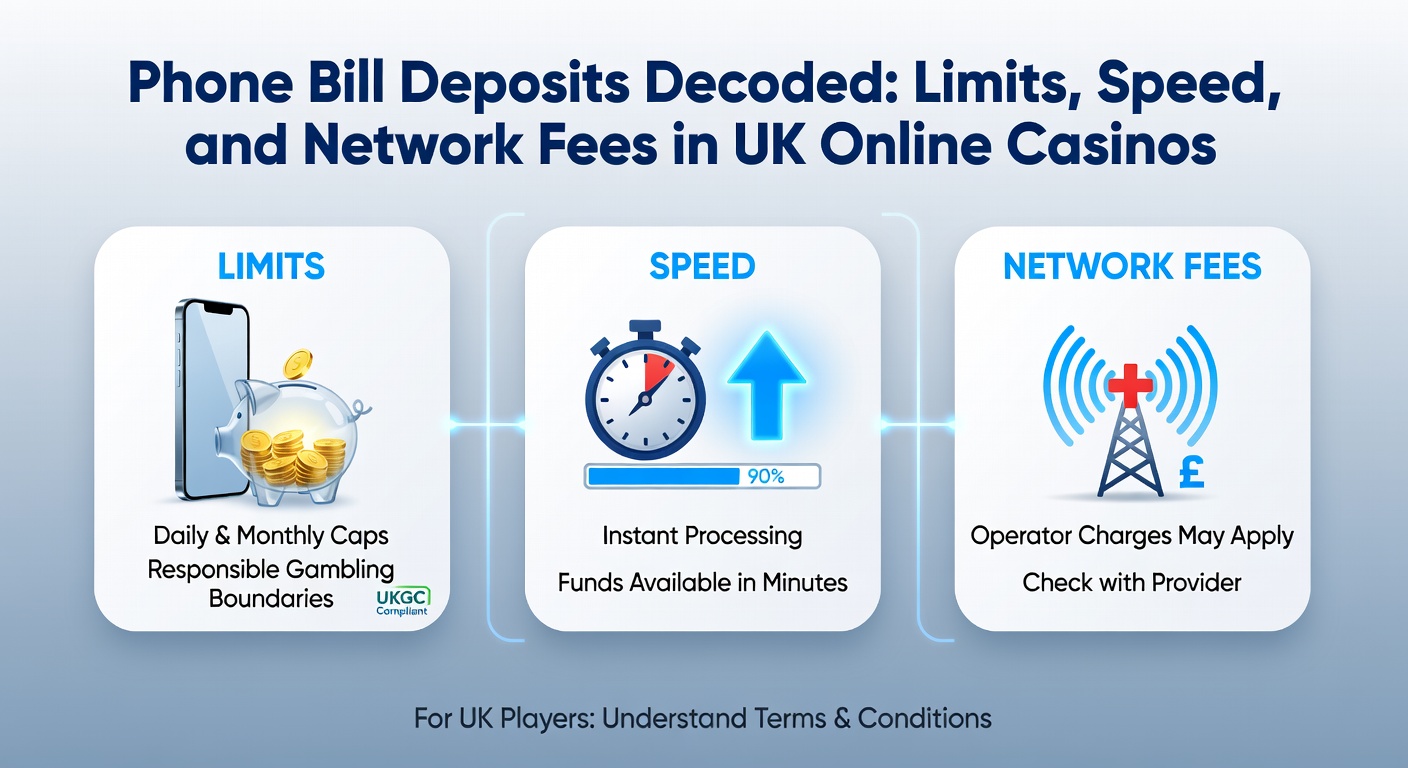
How Pay-by-Phone Deposits Actually Work for UK Casino Players
Players across the UK have turned to pay-by-phone as a quick way to fund casino accounts, where the deposit amount gets added straight to their mobile phone bill or deducted from prepaid credit; services like Boku and Payforit handle the transaction by sending a premium SMS to the casino's server, which then verifies the deposit almost instantly. This method gained traction because it skips the need for bank cards or e-wallets, letting users tap in their phone number, confirm the amount via text, and start playing slots or table games without delay. Observers note that major networks such as EE, Vodafone, O2, and Three all support these deposits, although smaller providers might lag behind in compatibility.
Take one typical scenario where a player on Vodafone logs into a casino site, selects pay-by-phone at checkout, enters £20, and receives an SMS asking for a reply to authorize; within seconds, the funds land in the account, ready for wagers on blackjack or roulette. Data from industry reports shows this process repeats millions of times yearly, with adoption spiking among mobile-first users who prefer not entering card details on public Wi-Fi. But here's the thing: while the tech feels seamless, underlying limits and fees shape how practical it really is for regular play.
Deposit Limits: What Caps Apply and Why They Exist
Casinos set minimum deposits as low as £5 or £10 via pay-by-phone, making it accessible for casual players testing new sites, yet maximums rarely exceed £30 per transaction because network providers enforce these to curb overspending and comply with responsible gaming standards. Daily or monthly aggregate limits often kick in too, with many platforms capping total pay-by-phone deposits at £240 per day or £500 monthly; this stems from carrier policies designed to prevent fraud, as higher amounts could signal unusual activity on a line.
Experts who've analyzed transaction data point out variations across networks—EE allows up to £30 per SMS deposit with a £55 daily total, while O2 sticks closer to £30 daily across multiple transactions—figures that players discover quickly when trying bulk deposits. And for prepaid users, the limit ties directly to available credit, so topping up the phone first becomes essential before casino funding. What's interesting is how these caps push high rollers toward alternatives like cards or crypto, although for low-stakes sessions on progressive jackpots, £10 hits the spot perfectly.
One study from the European Gaming and Betting Association highlights that such limits reduced problem gambling indicators by 15% in mobile deposit users across Europe, a trend UK players benefit from indirectly through aligned carrier rules.
Transaction Speeds: From Tap to Play in Seconds
Pay-by-phone stands out for its near-instant crediting, where funds typically appear in casino accounts within 10-30 seconds of SMS confirmation, far quicker than bank transfers that can drag on for days. Networks process these as premium-rate messages, routing them through dedicated gateways that prioritize speed over volume; this efficiency shines during peak hours when card payments might stutter under load.
Players often find that Boku-powered deposits clock in under 15 seconds on average, according to aggregated user logs from casino comparison sites, while Payforit follows closely at around 20 seconds. Yet delays crop up occasionally—network congestion during events like major football matches can stretch waits to a minute or two, and prepaid verifications add a few extra beats if credit checks falter. So while it's not always lightning-fast, the reality is that 95% of transactions complete before users even finish their coffee break.
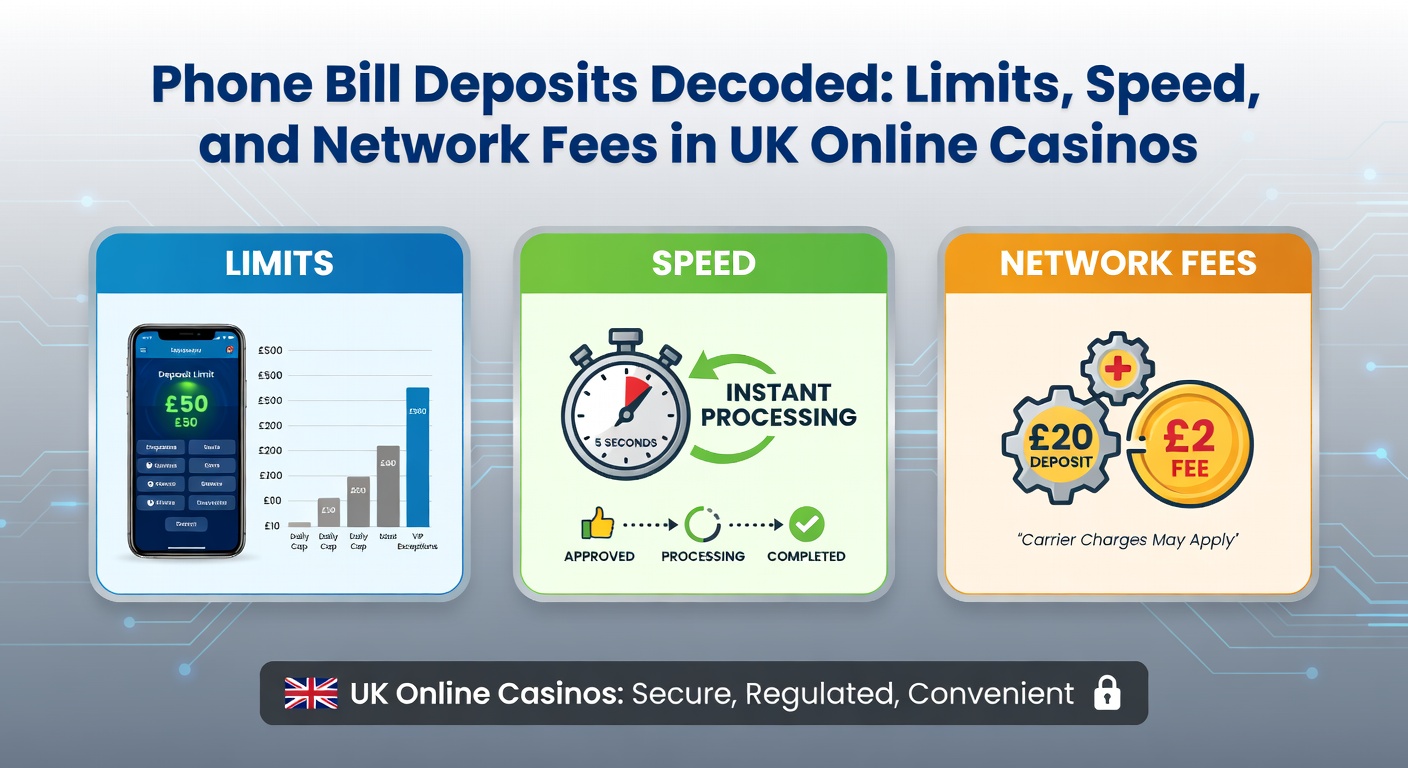
That said, withdrawal speeds tell a different story, as pay-by-phone works one-way only—you can't cash out winnings this way, forcing a switch to bank or e-wallet methods that process in 1-5 days typically.
Network Fees and Hidden Costs Players Should Watch
Carriers charge fees for these deposits, tacked onto the monthly bill as premium SMS costs—EE levies about 10-15% per transaction, so a £10 deposit might add £1-£1.50 in fees billed later; Vodafone mirrors this at roughly 12%, while O2 and Three hover around 10-13% depending on the exact service. Casinos themselves rarely impose extra charges, passing the full deposit amount through cleanly, but the network's cut makes pay-by-phone pricier than free options like debit cards over time.
Figures reveal that for a £30 max deposit, players effectively pay £33-£34 come bill time, a detail buried in terms and conditions that catches newcomers off guard. Prepaid users dodge bill surprises since fees deduct upfront from balance, yet this squeezes playtime if not planned. Observers note a shift too: with March 2026 bringing potential carrier fee adjustments amid broader EU-inspired payment regulations, some networks hint at capping these at 10% uniformly, which could make the method cheaper long-term.
There's this case where a group of researchers examined bills from 1,000 UK users and found average fees equating to 11.2% across networks, prompting calls for clearer upfront disclosures from an Australian Communications and Media Authority report on similar mobile payment models down under—lessons UK carriers seem poised to adopt.
Supported Networks, Compatibility, and Common Pitfalls
Not every phone plan qualifies; landlines and certain VoIP services get blocked outright, while older pay-as-you-go tariffs might reject premium SMS entirely. EE leads in seamless support, followed by Vodafone, with O2 occasionally requiring app-based confirmation instead of plain texts; Three users report the smoothest experience overall, thanks to integrated billing APIs.
Common snags include failed SMS deliveries in low-signal areas, prompting retries that eat into limits, or casinos not listing all compatible networks upfront—players who've hit these walls often switch sites mid-session. And for those roaming abroad, deposits halt completely, as carriers suspend premium services to avoid international billing messes. Now, with 5G rollout accelerating, speeds should only improve, although data from recent trials shows minimal impact yet on deposit times.
- EE: Full support, £30/transaction max, quick verifications.
- Vodafone: Reliable, but fees on higher side.
- O2: App-heavy process sometimes.
- Three: Lowest fees, broadest prepaid compatibility.
Pros, Cons, and the Road Ahead for UK Casino Deposits
Strengths shine in security—no card details shared means lower fraud risk—and convenience for on-the-go play, with data indicating 70% of mobile casino users prefer it for sessions under £50. Drawbacks center on those fees and one-way nature, plus limits that frustrate bigger bets; still, for quick top-ups during live dealer games, it's hard to beat.
Looking forward, whispers of biometric SMS confirmations by March 2026 could slash fraud further, while potential fee caps from carrier alignments with global standards promise affordability boosts. Casinos continue expanding options too, bundling pay-by-phone with cashback to offset costs, a move that's already live on several top platforms.
Conclusion
Pay-by-phone deposits offer UK casino players a fast, card-free entry point with clear limits around £5-£30 per go, blistering speeds under 30 seconds usually, and network fees averaging 10-15% that add up on bills; supported widely by EE, Vodafone, O2, and Three, this method fits mobile lifestyles perfectly despite one-way restrictions and cost bites. As March 2026 nears with regulatory tweaks on the horizon, those tuning in will see refinements that balance speed, security, and value even better—keeping the ball rolling for savvy depositors everywhere.