Platform Evolutions Drive New Trends in British Gaming Selections
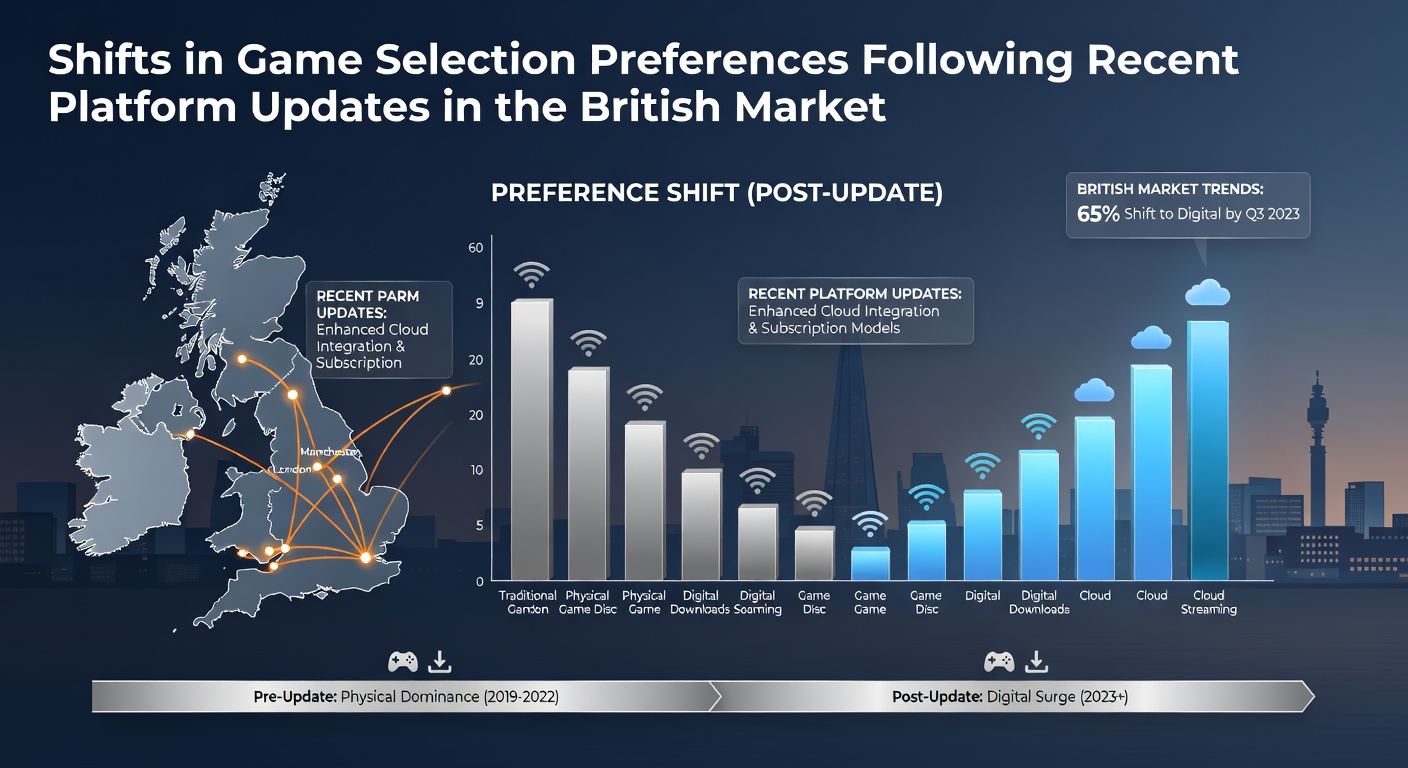
Recent platform updates across British gaming operators have coincided with measurable changes in how players select games, with data showing increased engagement in certain categories over others since early 2025. These adjustments stem from technical enhancements that improve navigation, loading speeds, and personalization features, which in turn influence user behavior in ways documented by multiple industry tracking services.
Key Technical Changes Behind the Shifts
Operators introduced streamlined interfaces that prioritize mobile compatibility, resulting in faster access to slot libraries while live dealer sections gained new filtering tools that sort by game type and table limits. These modifications, rolled out progressively through late 2025 and into 2026, aligned with broader device usage patterns where mobile sessions now account for the majority of activity according to aggregated operator reports. Players responded by gravitating toward titles that load within the updated frameworks, including those featuring adjacency mechanics that replaced traditional payline structures in several popular releases.
Documented Preference Movements in Game Categories
Statistics compiled through May 2026 reveal a clear uptick in selections for progressive slot formats alongside a stabilization in table game participation. One study released by the Canadian Centre on Substance Use and Addiction tracked similar platform-driven trends in comparable markets, noting how seamless wallet integrations encourage repeated spins on high-volatility options rather than extended sessions on lower-stakes alternatives. British operators observed parallel outcomes where users completed more game trials per session once search functions highlighted new releases matching prior play history.
Meanwhile, live casino streams benefited from enhanced studio connectivity that reduced latency during peak hours, prompting a modest rise in roulette and blackjack selections among users who previously favored automated versions. External data from the Australian Gambling Research Centre supports these observations, showing that platform speed improvements correlate with extended exploration of dealer-led experiences when buffering issues decline.
Regional Data Patterns and User Behavior
Market analysts at firms monitoring British activity compiled figures indicating that games incorporating mission-based rewards saw participation climb by noticeable margins following the integration of leaderboards into operator apps. These additions, introduced as part of broader gamification layers, encouraged players to sample multiple titles within a single login rather than repeating favorites exclusively. Observers note that the pattern holds across age groups, though younger cohorts demonstrated quicker adoption rates when updates emphasized social sharing elements within games.
Case examples from several mid-sized platforms illustrate the point: one operator reported that adjacency-based slots captured over 30 percent of new user sessions within weeks of the feature rollout, while another documented increased trial rates for branded content once platform algorithms surfaced related titles automatically. Such movements reflect how backend optimizations guide discovery without altering the underlying game libraries themselves.

Influence of Payment and Access Features
Digital wallet expansions played a supporting role in these preference adjustments by shortening transaction times for deposits that unlock bonus rounds or tournament entries. Players who previously limited activity to familiar games began testing adjacent categories once funding friction decreased, a development echoed in reports from the National Council on Problem Gambling in the United States that examined cross-market responses to similar technical upgrades. The result appears as diversified session compositions where users mix short slot bursts with occasional live table visits within the same visit.
Independent monitoring groups further recorded that self-exclusion tools integrated directly into updated dashboards prompted some users to experiment within restricted environments, shifting focus toward games with built-in session timers rather than unrestricted options. This behavioral nuance emerged most clearly in data collected after the May 2026 compliance deadlines for several major platforms.
Conclusion
Platform updates continue to shape selection patterns by altering discovery paths and session dynamics rather than changing game content directly. Figures from multiple non-UK sources confirm that speed, personalization, and integrated reward systems produce measurable redistributions across categories, with British operators reflecting these broader industry movements through their own performance metrics. Continued tracking through subsequent quarters will clarify whether these adjustments represent temporary responses or lasting realignments in player habits.