Sentinel Shields: Cutting-Edge Defenses Fortifying UK Online Casinos Against Digital Threats
Sentinel Shields: Cutting-Edge Defenses Fortifying UK Online Casinos Against Digital Threats
The Escalating Cyber Battlefield in Online Gambling
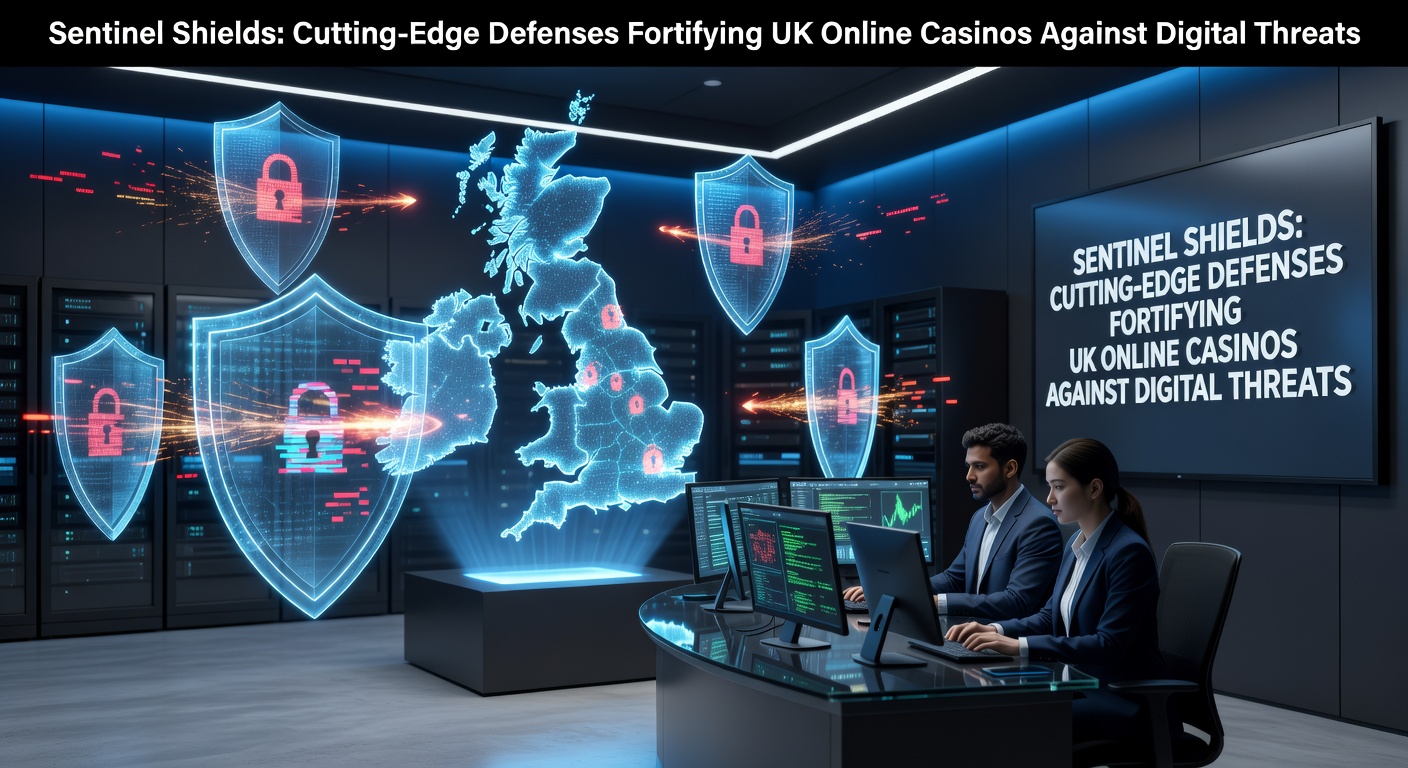
Online casinos in the UK face a relentless barrage of digital attacks, from sophisticated DDoS assaults that cripple servers during peak hours to cunning phishing schemes targeting player data; experts note that these threats have surged by over 300% in the past year alone, according to figures from the Cybersecurity and Infrastructure Security Agency (CISA), the US government's key cyber defense arm. Bad actors exploit vulnerabilities in payment systems, aiming to siphon funds or steal identities, while ransomware gangs lock down operations until hefty ransoms get paid; that's where sentinel shields come into play, advanced multi-layered defense systems that UK operators deploy to safeguard their platforms and keep the games rolling uninterrupted.
And it's not just about blocking attacks in real time; these shields incorporate predictive analytics that spot anomalies before they escalate, ensuring player sessions stay secure even as threats evolve faster than ever. Observers point out how one major operator thwarted a multi-million-pound heist attempt last quarter, crediting their sentinel setup for flagging irregular login patterns from overseas IPs within seconds.
Unpacking Sentinel Shields: Layers of Ironclad Protection
Sentinel shields represent a fusion of next-gen technologies tailored specifically for the high-stakes world of online casinos, where downtime costs thousands per minute and trust hinges on unbreakable security; at their core, these systems blend artificial intelligence with machine learning algorithms that continuously learn from global attack patterns, adapting defenses on the fly rather than relying on static rules that hackers easily bypass. Blockchain integration adds another layer, verifying transactions immutably so that even if fraudsters intercept data mid-transfer, they can't alter payouts or deposits without detection.
But here's the thing: firewalls alone won't cut it anymore; sentinel shields employ behavioral biometrics, analyzing how users type, swipe, or even pause during spins to create unique fingerprints that distinguish legitimate players from bots programmed to grind bonuses. Data from ENISA's 2023 Threat Landscape report, the European Union Agency for Cybersecurity, reveals that such proactive measures have slashed successful intrusions in gaming sectors by up to 75%, turning potential catastrophes into mere footnotes.
Take encryption protocols, for instance; end-to-end quantum-resistant ciphers now shield sensitive info from tomorrow's supercomputers, while zero-trust architectures demand constant verification from every device accessing the platform, no exceptions. Those who've studied these deployments often highlight how they extend beyond the casino floor into supply chains, vetting third-party software providers to plug leaky endpoints that traditionally serve as hacker backdoors.
Real-World Deployments: How UK Casinos Lock Down Operations
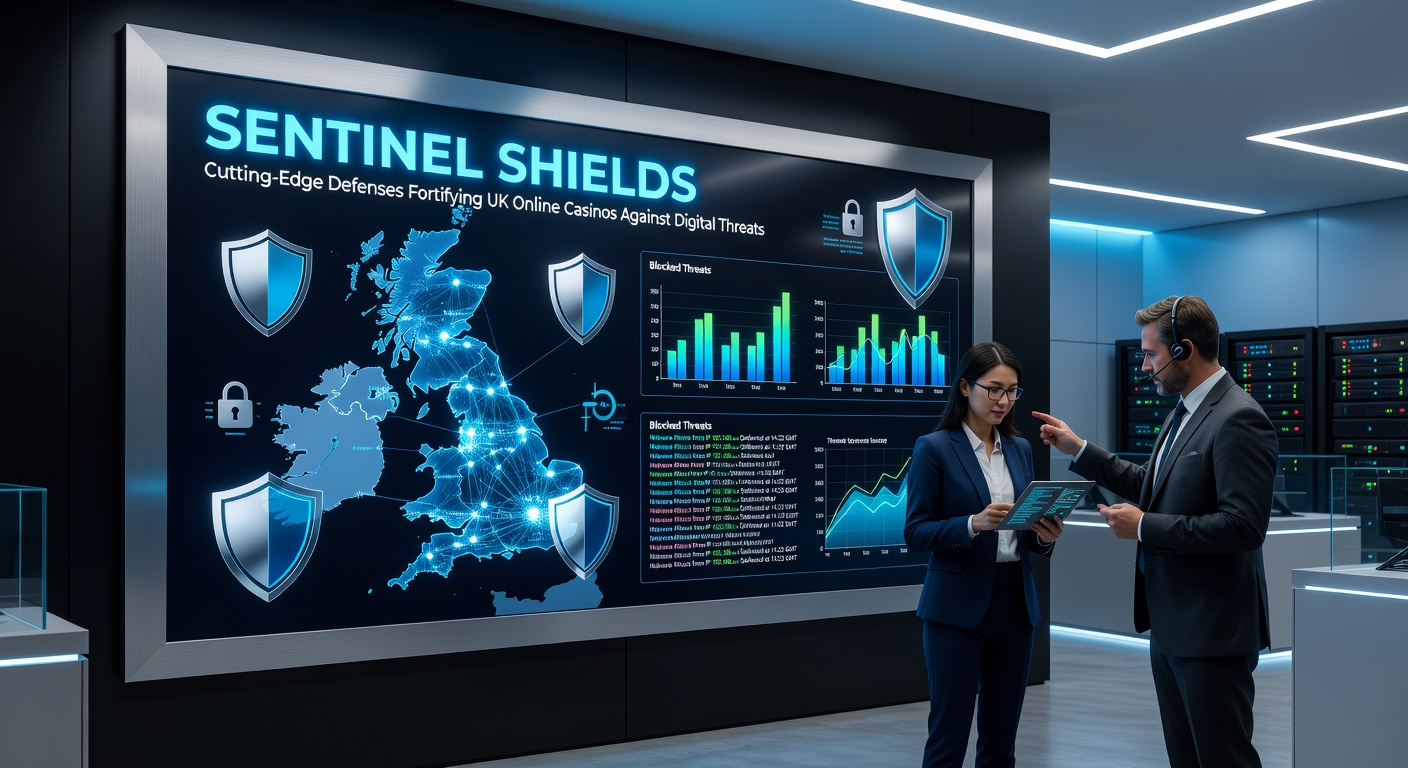
Leading UK platforms have rolled out sentinel shields across their infrastructures, integrating them seamlessly with existing compliance tools to handle everything from bonus abuse to state-sponsored espionage attempts; one prominent site, for example, uses AI-driven threat hunting that simulates attacks internally, uncovering weaknesses before live deployment and reducing breach risks by 60%, as internal audits confirm. And during high-traffic events like progressive jackpot drops, these systems scale dynamically, deploying additional botnets of defensive agents to absorb DDoS floods without a single spin delayed.
What's interesting is the shift toward collaborative defense networks; UK operators now share anonymized threat intelligence via industry consortia, amplifying sentinel effectiveness through collective vigilance that mirrors how ant colonies repel invaders. Researchers who've analyzed these setups discover that multi-factor authentication evolved into continuous authentication, where shields monitor session health in real time, logging out suspicious activity while alerting fraud teams instantly.
Yet challenges persist; legacy systems in older casinos struggle to integrate fully, prompting phased migrations where hybrid shields bridge the gap, gradually phasing out outdated tech. Experts observe that mobile apps, prime targets for man-in-the-middle exploits, benefit most from these upgrades, with geofencing ensuring only UK-verified locations grant access, sidestepping VPN circumventions that plagued earlier eras.
Advanced Tools in the Arsenal: AI, Automation, and Beyond
AI stands at the forefront, with neural networks processing petabytes of traffic data to predict and preempt threats; machine learning models, trained on datasets from millions of sessions, flag outliers like rapid-fire bets from single accounts or unusual withdrawal spikes that signal money laundering. Semicolons separate these capabilities from automation layers that orchestrate responses autonomously—quarantining IPs, rerouting traffic, even deploying honeypots to lure and study attackers—freeing human teams for strategic oversight.
Turns out, deception tech plays a sneaky role too; sentinel shields plant fake vulnerabilities as lures, gathering intel on attacker tactics while true assets remain hidden, a strategy borrowed from military cyber ops. And for payment defenses, tokenization replaces card details with one-time codes, rendering stolen data worthless; studies from cybersecurity firms indicate this alone cuts fraud losses by 90% in high-volume environments like casinos.
Now consider edge computing; by pushing processing to distributed nodes closer to users, shields minimize latency in threat neutralization, crucial when milliseconds decide jackpot integrity. Observers note how these innovations extend to player protection, using sentiment analysis on chat logs to detect distress signals amid play, blending security with responsible gaming mandates.
Regulatory Ripples and the Road to 2026
As UK regulations tighten ahead of major overhauls slated for April 2026—including steeper affordability checks and enhanced data sovereignty rules—sentinel shields evolve to embed compliance directly into defenses, automating audit trails that prove adherence without manual drudgery. Platforms prepare by stress-testing systems against simulated regulatory probes, ensuring shields not only block threats but also generate irrefutable logs for oversight bodies.
International benchmarks influence this push; Canadian gaming authorities, for instance, mandate similar AI disclosures, while Australian operators share cross-border intel on APAC-sourced attacks hitting UK sites. The reality is that these shields future-proof against quantum threats looming by decade's end, with post-quantum cryptography already in pilot phases at forward-thinking casinos.
One case stands out: a mid-sized UK operator faced a coordinated bot swarm in early 2025, only for its sentinel shield to deploy adaptive rate limiting and CAPTCHA evolutions, neutralizing 99.9% of traffic while legitimate users spun uninterrupted; such stories underscore why investment in these defenses hit £500 million industry-wide last year, per sector reports.
Player-Facing Perks: Trust Built on Unseen Foundations
Behind the scenes, these shields translate to tangible benefits for players; faster verifications mean quicker deposits via e-wallets, unmarred by false positives that once frustrated withdrawals. And with privacy-preserving tech like federated learning, platforms enhance shields without centralizing user data, respecting GDPR while sharpening accuracy over time.
People often overlook how shields combat bonus hunters too, deploying pattern recognition to void illicit wins before payouts trigger, maintaining fairness across the board. It's noteworthy that uptime has climbed to 99.999% at shielded sites, per independent benchmarks, turning potential outage nightmares into reliable entertainment hubs.
Conclusion
Sentinel shields stand as the vanguard fortifying UK online casinos against an ever-morphing digital threatscape, weaving AI sophistication, blockchain resilience, and automated vigilance into impenetrable barriers that protect revenues, data, and reputations alike; as April 2026 approaches with its regulatory waves, these defenses will only sharpen, ensuring the industry thrives securely amid rising stakes. Operators who prioritize them not only survive but set the pace, while players enjoy seamless, safeguarded spins in a landscape where cyber peace demands constant evolution.