Smart Tech Reshapes Table Games Through Personalization at Licensed Venues
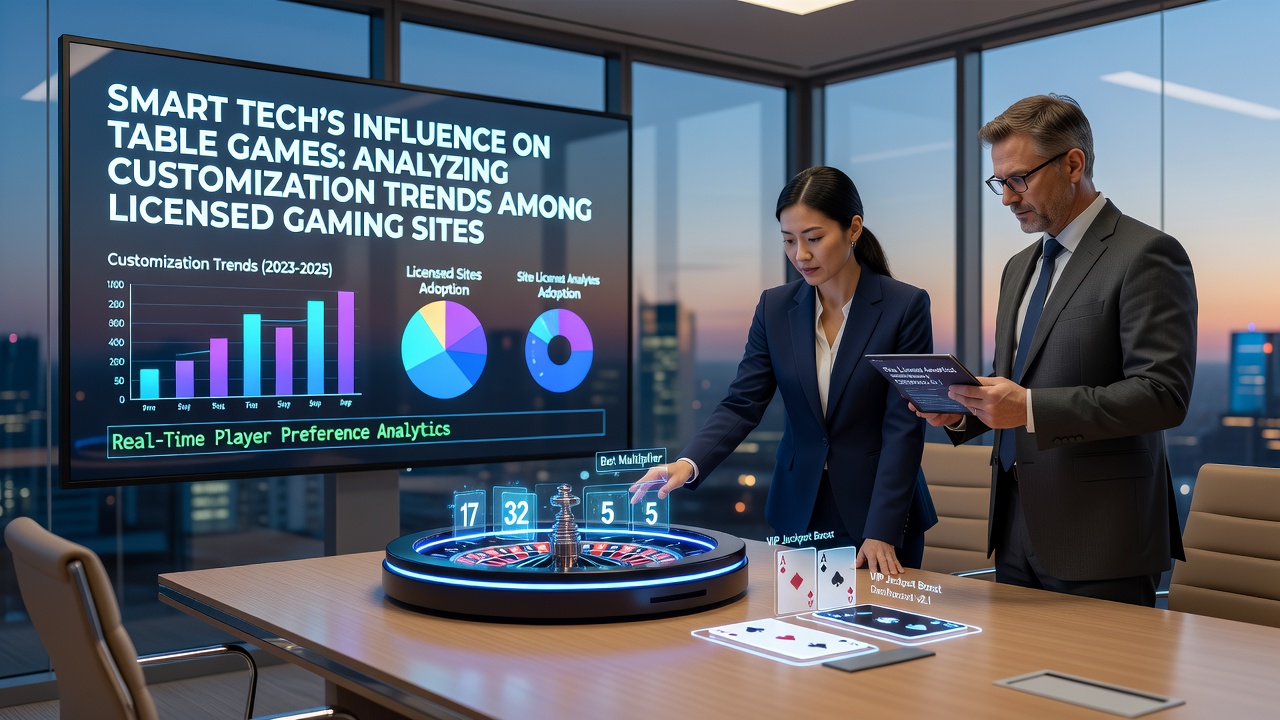 Smart technology continues to alter how table games operate at licensed gaming sites, with customization emerging as the central focus. Licensed operators now deploy AI-driven tools and adaptive interfaces that allow players to adjust elements like betting limits, game speed, and visual themes while staying within regulatory boundaries. Data from industry reports shows these features have expanded significantly since early 2025, driven by advances in machine learning and user analytics. Customization trends appear most clearly in blackjack and roulette variants. Players encounter options to modify deck composition, alter payout structures within approved ranges, and select from multiple rule sets tailored to their historical play patterns. Research from the American Gaming Association indicates that sites implementing these tools recorded a 22 percent rise in session duration during the first quarter of 2026. The systems achieve this by analyzing real-time behavior without storing personal identifiers beyond session data.
AI Algorithms Power Adaptive Table Experiences
Artificial intelligence sits at the core of these developments. Algorithms process player inputs across thousands of sessions to generate personalized recommendations, such as suggesting lower-stakes tables during high-volatility periods or adjusting virtual dealer pacing. One study conducted by researchers at the University of Nevada, Reno found that adaptive AI reduced player drop-off rates by 15 percent compared to static game formats.
Licensed sites integrate these capabilities through secure APIs that connect directly to regulatory compliance engines. This setup ensures every customization stays inside permitted parameters, with automated checks triggered before any change takes effect. Observers note that the approach mirrors broader patterns seen in other regulated sectors where technology balances flexibility with oversight.
Regional Patterns in Customization Adoption
Adoption rates vary by jurisdiction. European operators have leaned toward visual and thematic customizations, allowing players to swap table layouts or background environments while core mathematics remain fixed. North American venues, by contrast, emphasize rule variations and betting structure tweaks. Figures released by the Canadian Gaming Association in May 2026 revealed that 68 percent of licensed table game platforms now offer at least three distinct customization layers.
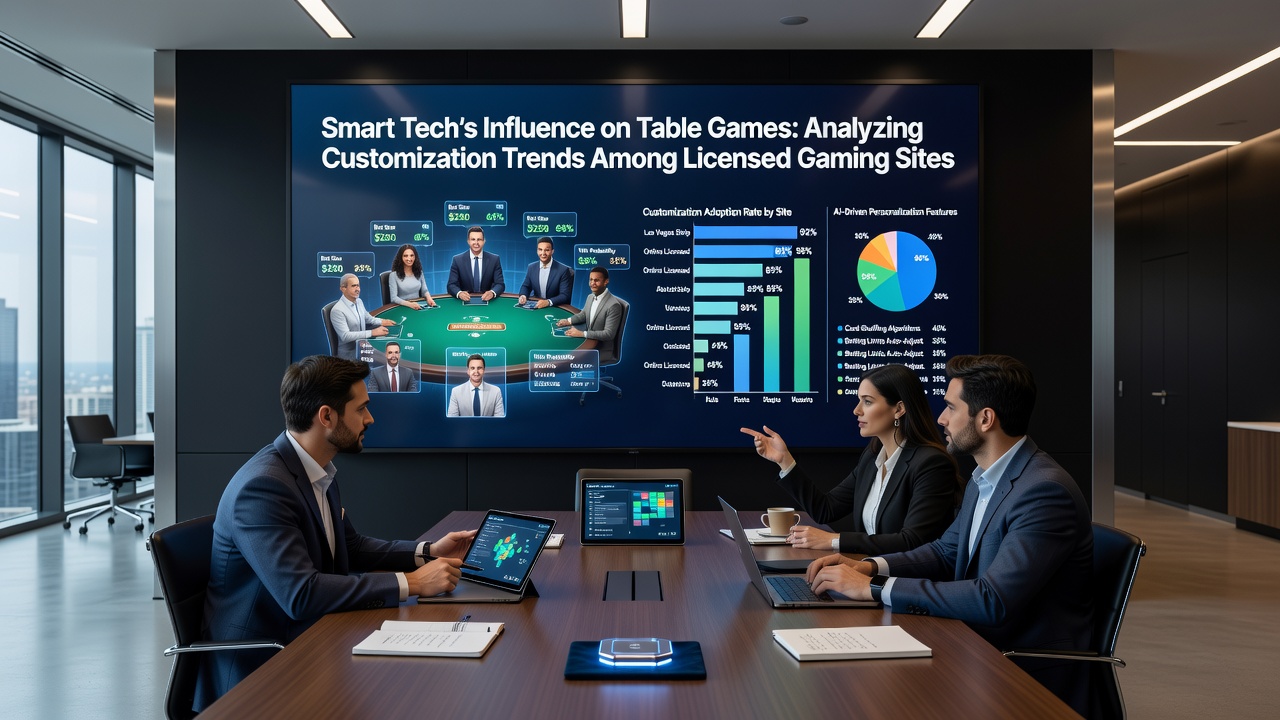 What's interesting is how June 2026 brought fresh momentum. Several major platforms rolled out cross-device synchronization features that let users carry custom settings from desktop to mobile without resetting preferences. These updates coincided with new technical standards issued by the Nevada Gaming Control Board, which clarified requirements for real-time auditing of adaptive systems.
Security and Compliance Considerations
Security remains paramount. Licensed operators employ end-to-end encryption and continuous monitoring to protect customization data streams. Any attempt to push settings outside approved ranges triggers immediate flags within the compliance layer. A 2025 report from the Australian Gambling Research Centre highlighted that sites with robust monitoring saw fewer than 0.3 percent of sessions require manual intervention.
Table game developers have responded by building modular engines. These engines allow rapid deployment of new customization options without full platform overhauls. The modular design also simplifies updates when regulators introduce revised technical standards, a process that occurred multiple times between 2024 and 2026.
Player Behavior and Engagement Data
Engagement metrics tell a consistent story. Players who utilize customization tools show higher return rates and increased interaction with multiple game types. One analysis of aggregated anonymized data from licensed sites across three continents demonstrated that customized sessions generated 31 percent more hands played per hour than standard formats. The pattern holds across age groups and experience levels.
Future Directions for Licensed Table Games
Looking ahead, integration with augmented reality elements appears likely. Early trials in select jurisdictions show players customizing virtual table angles and lighting conditions through AR overlays. These experiments remain limited to controlled environments but demonstrate how smart technology could extend customization beyond traditional screen-based interfaces.
Conclusion
The influence of smart technology on table games centers on measurable customization capabilities that licensed sites now deliver at scale. Through AI, modular platforms, and strict compliance frameworks, operators provide tailored experiences while maintaining regulatory integrity. Data from multiple regions confirms rising adoption and sustained engagement gains. As technical standards evolve and new tools emerge, customization will likely remain the defining characteristic of table game innovation at licensed venues.