Social Features and Their Effects on Retention Rates in Digital Gambling
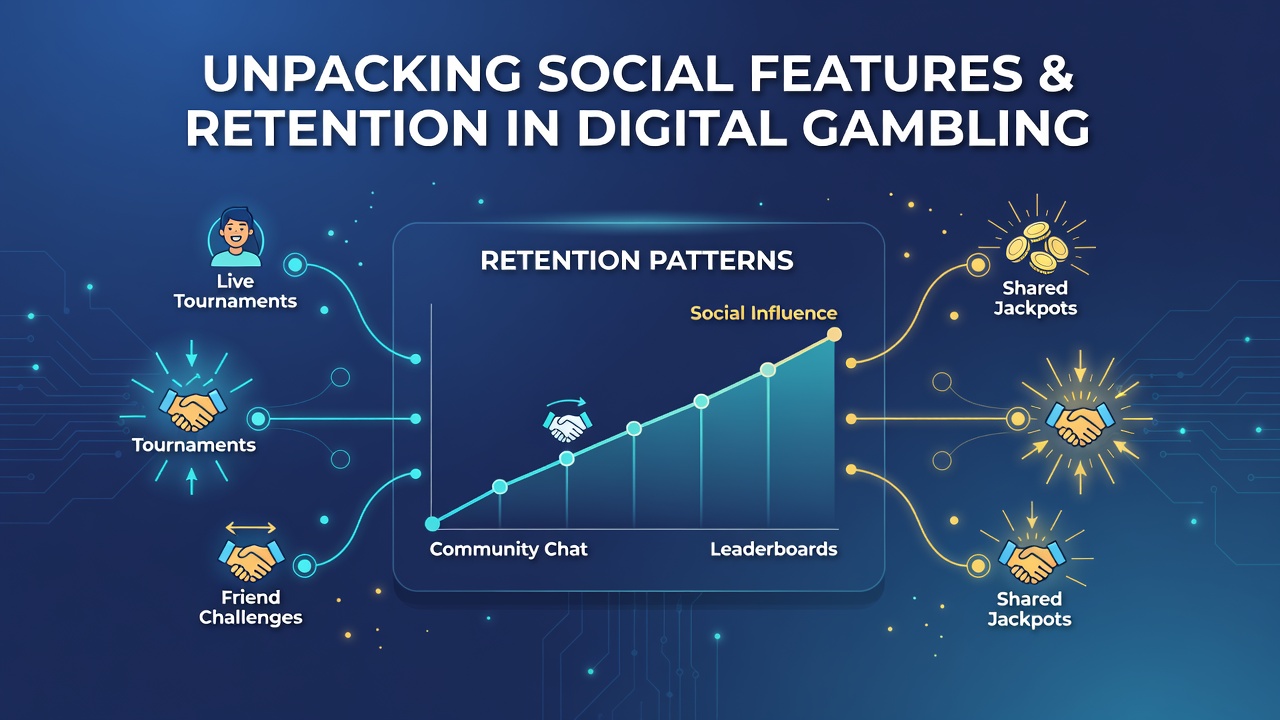
Digital gambling platforms incorporate social features such as leaderboards, friend invitations, chat functions, and multiplayer tournaments, which connect individual players into shared experiences, and these elements influence how long users continue returning to the same sites over extended periods. Data from industry analyses indicate that platforms integrating such tools often record higher session frequencies compared to those relying solely on solitary gameplay mechanics, because the added layers of interaction create ongoing motivations beyond the core betting activities themselves.
Key Social Features in Modern Platforms
Leaderboards display real-time rankings among users, which encourages repeated logins as players monitor their positions and compete for visible spots, while chat rooms allow direct exchanges during live dealer sessions or slot games, fostering a sense of community that extends single visits into habitual patterns. Tournaments structured around collective goals, like group challenges where participants pool progress toward shared rewards, further tie individual actions to group outcomes, and observers note that these formats tend to sustain engagement across multiple weeks rather than isolated days. Referral systems reward users for bringing in contacts, which expands networks organically and links new arrivals to established circles, thereby reinforcing platform stickiness through personal connections.
Patterns Observed in Retention Data
Studies conducted across various markets reveal that users exposed to social integrations demonstrate retention rates elevated by 20 to 35 percent over six-month spans, according to aggregated figures from platform analytics providers, because the social layer transforms what might otherwise remain transactional interactions into relational ones that carry emotional weight. Retention patterns show spikes following tournament launches or leaderboard resets, as these events prompt users to return specifically to check standings or collaborate with peers, and such cycles repeat regularly, creating predictable upticks in activity that isolated features rarely match. In regions outside the UK, such as those monitored by the Nevada Gaming Control Board, similar trends emerge where apps with robust social components maintain steadier user bases amid fluctuating regulatory environments.
Regional Variations and Broader Influences
European operators report comparable outcomes where multiplayer elements integrated into virtual tables lead to extended play durations, since participants coordinate strategies in real time and form recurring alliances that pull them back for subsequent rounds. Australian regulatory updates around mid-2026 highlighted the growing prevalence of these tools in licensed apps, noting their role in shaping participation metrics without direct ties to any single oversight body. What's interesting here is how geographic differences in feature adoption affect outcomes, with North American platforms emphasizing competitive leaderboards while Asian markets lean toward collaborative chat-driven events, yet both approaches correlate with improved return rates according to cross-border research compilations.
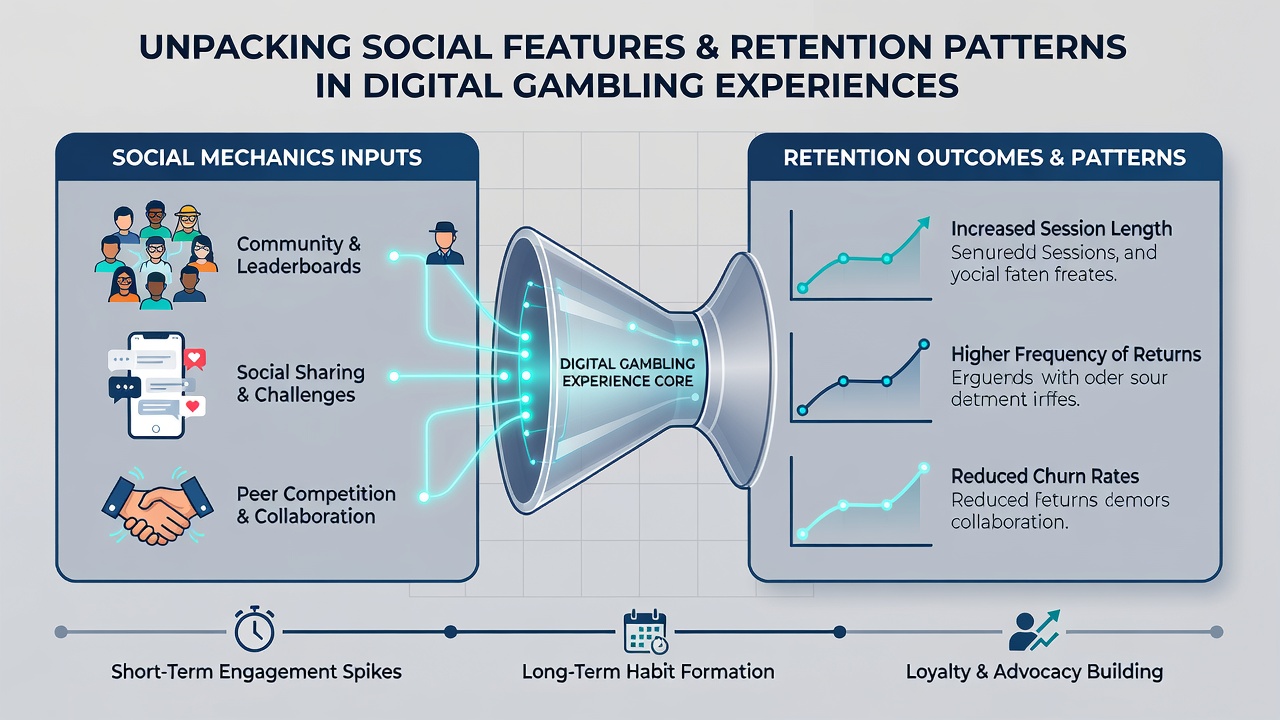
One analysis from the University of Las Vegas gaming research group found that incorporating friend-list mechanics increased monthly active users by measurable margins, because these lists enable private notifications and shared achievements that keep individuals looped into the platform ecosystem even during periods of lower personal activity. The reality is that such features do not operate in isolation, as they interact with underlying game mechanics to amplify overall persistence, and data shows users who engage socially exhibit lower churn compared to those who play without these connections.
Challenges in Implementation
Platforms must balance social visibility with privacy considerations, since overly exposed leaderboards can deter some participants while insufficient integration fails to generate the desired retention lift, and industry reports emphasize testing various configurations to identify effective thresholds. In June 2026, several international forums discussed evolving standards for these tools, focusing on how they intersect with responsible play guidelines across jurisdictions like those in Canada and parts of the EU. Turns out that successful implementations often involve modular designs, allowing users to opt into or out of specific social layers based on preference, which sustains broader appeal without forcing interactions on everyone.
Conclusion
Overall, social features in digital gambling environments contribute to retention through mechanisms of competition, collaboration, and community formation that extend beyond individual gameplay, with supporting evidence drawn from multiple regulatory and academic sources worldwide. These patterns hold across diverse markets, demonstrating consistent influences on user return behaviors when implemented thoughtfully alongside core platform functions.