Tiered Rewards: Retention Mechanisms in Britain's Licensed Online Casinos
 British online casinos licensed under national regulations have developed tiered reward systems as core components of player retention strategies, and these structures assign players to progressive levels based on accumulated activity metrics such as wager volume and session frequency. Operators calculate tier progression through points systems where each bet contributes to a player's standing, while higher tiers unlock benefits including enhanced cashback percentages, priority customer support access, and personalized bonus offers that scale with loyalty duration. Data from industry analyses indicate that players in mid-to-upper tiers demonstrate longer average account lifespans compared to entry-level participants, and this pattern emerges because rewards become more substantial at each advancement stage. Platforms structure these tiers typically across four to six levels, with entry points requiring modest activity while elite categories demand consistent high-volume engagement over months or years.
Mechanics of Tier Progression and Reward Allocation
Points accrual forms the foundation of these systems, whereas operators convert betting activity into redeemable credits that determine monthly or quarterly tier assignments; for instance, a player wagering £10,000 might reach silver status and receive 5% cashback on losses plus access to exclusive tournament entries. Higher tiers incorporate non-monetary perks such as dedicated account managers and invitations to invitation-only events, and these elements encourage sustained participation because they create perceived value beyond standard gameplay.
Studies from the American Gaming Association reveal that loyalty programs incorporating tiered structures correlate with reduced player churn rates across digital platforms, while similar observations appear in reports from the Canadian Centre on Substance Use and Addiction examining retention patterns in regulated markets. British operators integrate these tactics with compliance requirements that limit promotional intensity, yet the frameworks still emphasize gradual reward escalation to maintain engagement without triggering regulatory thresholds.
Impact on Player Behavior Patterns
Observers note that tiered systems influence deposit frequency and session length, since participants often adjust their play habits to meet or maintain tier thresholds; one analysis of European gaming data found that silver and gold tier members increased monthly deposits by an average of 18% after initial tier achievement. Rewards at advanced levels frequently include accelerated point multipliers and birthday bonuses scaled to prior activity, which further reinforce habitual returns to the same platform.
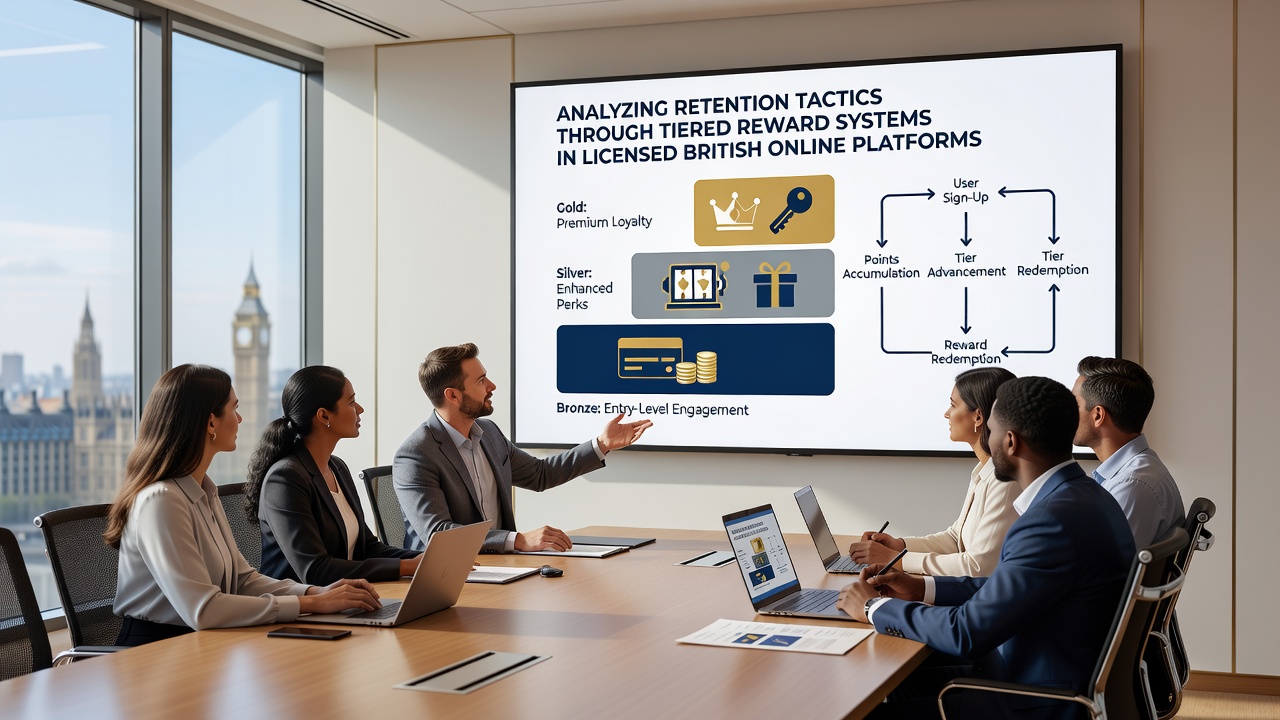
July 2026 regulatory adjustments across the sector introduced stricter transparency mandates for bonus structures, and these changes prompted operators to clarify tier qualification criteria in user terms while preserving the core progression mechanics. Licensed platforms responded by publishing detailed reward matrices that outline exact point requirements and benefit schedules, which allows players to track advancement more precisely and reduces confusion around eligibility.
Comparative Approaches Across Licensed Operators
Different British platforms implement variations in tier design, whereas some emphasize cashback dominance at higher levels and others prioritize experiential rewards like merchandise or event access; this diversity reflects operator strategies tailored to distinct player demographics. Research published through university gaming studies highlights that programs balancing monetary and non-monetary incentives achieve broader retention across age groups, and British sites have adopted hybrid models accordingly.
External benchmarks from the European Gaming and Betting Association provide context on how tiered rewards function within mature regulatory environments, and those comparisons show consistent emphasis on responsible play integration such as optional tier cooling periods. Operators monitor tier-related metrics through internal analytics dashboards that track redemption rates and progression velocity, enabling real-time adjustments to point earning rates or benefit packages.
Conclusion
Tiered reward systems continue to serve as primary retention tools in Britain's licensed online casino sector, and their structured progression models deliver measurable engagement benefits while operating within established regulatory boundaries. Platforms refine these frameworks regularly based on performance data and compliance updates, which sustains their role in long-term player relationship management across the market.