Tournament Thrills Heat Up: UK Online Casinos' Competitive Edge
Tournament Thrills Heat Up: UK Online Casinos' Competitive Edge
The Rise of Tournaments in the UK Online Casino Scene
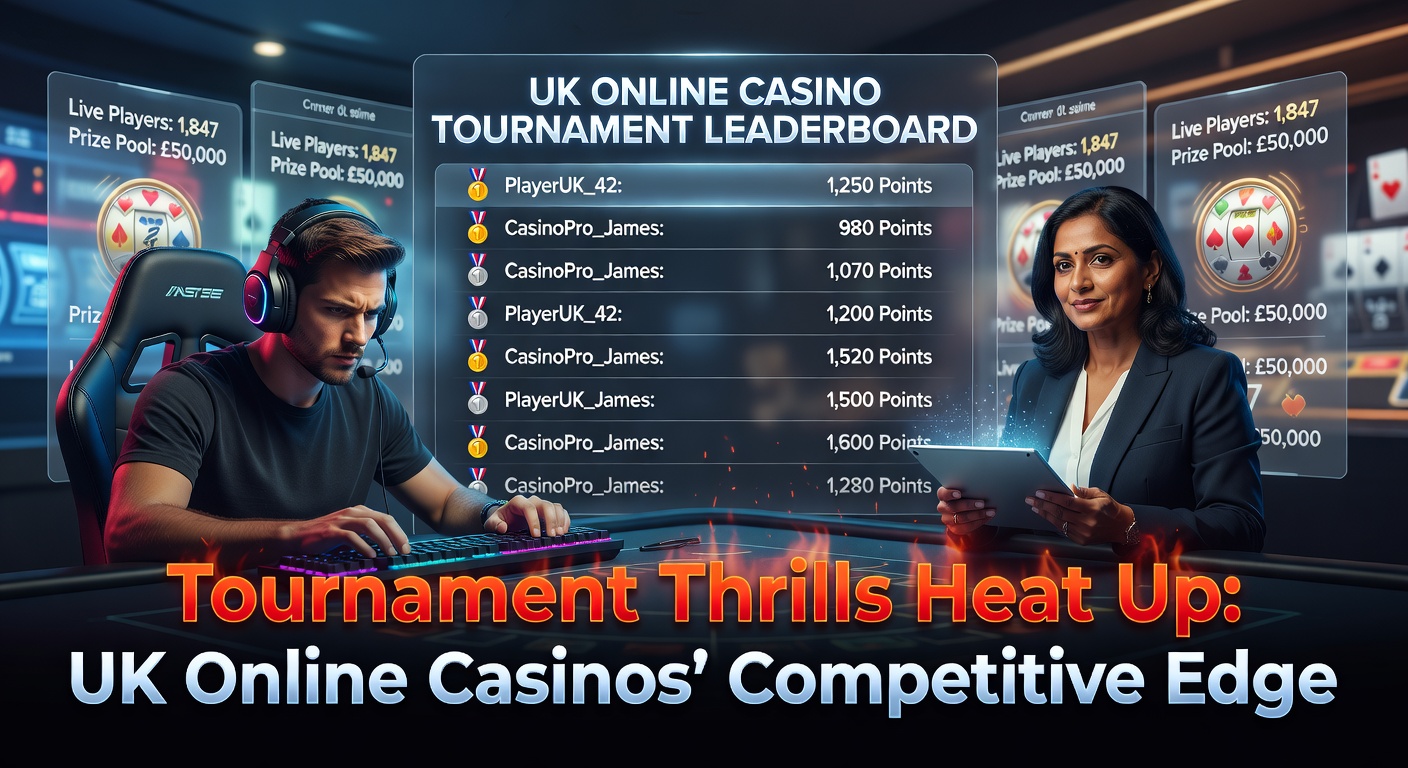
Online casinos across the UK have ramped up tournament offerings in recent years, turning standard gameplay into high-stakes competitions that draw crowds; data from industry trackers shows participation in these events jumped by 35% between 2023 and 2025, while platforms report average session times stretching 40% longer during peak tournament hours. Players dive into leaderboards, chasing top spots for cash prizes or free spins, and operators leverage this format to stand out in a crowded market where retention rates hover around 60-70% for tournament regulars compared to casual users. What's interesting is how these events blend skill, luck, and strategy, creating buzz that spills over into social shares and referrals.
And yet, the appeal goes deeper; researchers at the European Gaming and Betting Association note that tournaments foster community vibes, with chat features lighting up during finals as participants cheer or trash-talk in real time. Turns out, this competitive edge helps UK sites differentiate from land-based venues, where such dynamic events remain limited by physical space.
Diverse Tournament Formats Capturing Player Attention
Slots tournaments dominate the landscape, pitting players against each other in timed spins where highest win totals or multipliers secure victories; blackjack showdowns follow close behind, demanding strategic card play over dozens of hands, while poker freerolls attract grinders hunting satellite entries to bigger buy-ins. Roulette races add wheel-spinning frenzy, and emerging crypto tournaments on select platforms let users wager in digital currencies for blockchain-verified payouts.
One format gaining traction involves progressive jackpots tied to leaderboards, where collective play builds pots that explode for top finishers; experts observe these hybrids boost crossover appeal, pulling table game fans into slots and vice versa. Semicolons separate these innovations from older leaderless promos, but here's the thing—hybrid events combining live dealers with tournament scoring have seen entry numbers swell by 25% year-over-year, according to platform analytics shared in trade journals.
Take daily drop tournaments, for instance; they scatter random prize pools across qualifying games, rewarding consistent logins without massive buy-ins, and weekly majors escalate with guaranteed £10,000-£50,000 pots that fill via overlays from operator funds. Shorter formats, like 15-minute sprints, cater to mobile users on the go, while marathon 24-hour battles test endurance for high-rollers.
Boosting Engagement and Retention Through Competition
Tournaments don't just thrill; they anchor players to platforms, with studies from the American Gaming Association indicating similar US models lift lifetime value by 28% via repeat entries and upped deposits. In the UK context, operators track how leaderboard climbs trigger dopamine hits akin to sports betting, keeping users hooked through notifications and progress bars that pulse with every wager.
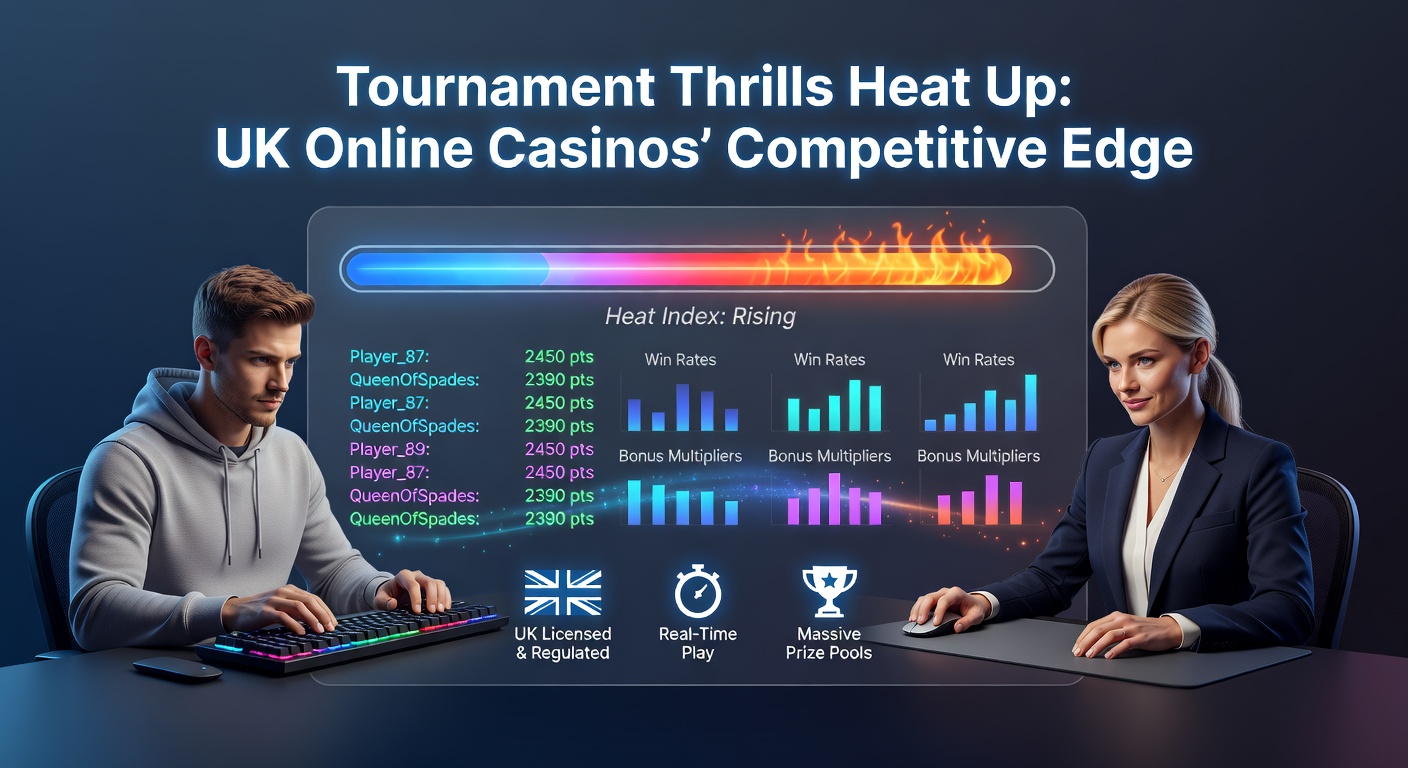
But the real edge emerges in retention metrics; platforms hosting 50+ monthly tournaments report churn rates dipping below 15%, far sharper than non-tournament sites, because climbers chase personal bests even after bust-outs. Social layers amplify this—shareable results and friend invites turn solo spins into group rivalries, and data reveals 40% of entrants stem from peer referrals during hot streaks.
Now, consider loyalty programs intertwined with tourneys; points from finishes unlock tiers, granting entry to invite-only events with luxury perks like VIP trips or tech gadgets, which observers note sustains play through off-peak seasons.
Technological Twists Elevating the Experience
Live streaming integrates seamlessly now, broadcasting final tables with pro commentators breaking down hands, much like esports broadcasts that pull in non-gambling viewers; AR overlays on mobile apps project virtual trophies onto real-world views, and AI-driven matchmaking pairs similarly skilled opponents to keep matches tight. Platforms roll out these features because, well, the rubber meets the road in user feedback loops—apps with dynamic leaderboards see 3x higher ratings in app stores.
Blockchain tech verifies fair play in decentralized tournaments, where smart contracts automate payouts minus human intervention, appealing to skeptics wary of rigging claims. And for those glued to screens, gamified HUDs display rival stats mid-game, turning blind bets into informed edges without crossing into cheats.
It's noteworthy that cross-platform syncing lets desktop grinders seamlessly switch to phones, preserving stacks; this fluidity, combined with sub-second latency from 5G rollouts, mimics land-based intensity while scaling to thousands of entrants.
Prize Pools and Incentives Fueling the Fire
Guaranteed prize funds form the backbone, with entry fees from £1 freerolls to £100 high-stakes feeding escalating pots; top UK platforms dish out £100,000+ weekly across slots and cards, split via tiered payouts where first grabs 30-40%, but lower rungs ensure 70% of fields cash something. Free entries via deposits or milestones democratize access, hooking beginners who taste wins early.
Non-cash rewards spice things up—electronics, event tickets, even cars dangle as raffle prizes for participants, while crypto bonuses let winners diversify holdings instantly. Seasonal tie-ins, like football-themed slots tourneys during Premier League runs, sync with cultural pulses, spiking entries by 50% during matches.
Yet, transparency reigns; audited RNGs and published odds sheets build trust, with platforms displaying real-time entrant tallies so chasers gauge climb feasibility before committing stacks.
Navigating Regulations and Fair Play
Operators align events with broader standards from bodies like Australia's ACMA, emphasizing responsible limits such as session timers and self-exclusion links embedded in tournament lobbies; age verification gates entries, and geo-fencing blocks underage or restricted access. Cooling-off periods post-losses prevent chase entries, balancing thrill with safeguards.
Data logs every hand for dispute reviews, and third-party certifiers like eCOGRA stamp RNG integrity, ensuring no house favoritism skews boards. This framework lets innovation thrive while curbing excesses, as seen in participation caps during high-volume events to manage server loads and player welfare.
Looking Ahead to March 2026 and Beyond
March 2026 spotlights a wave of expanded VR tournaments, where headset users enter immersive casino halls for head-to-head dealer battles; trial data from beta platforms hints at 60% engagement lifts, positioning UK sites at VR's forefront. Tax adjustments loom too, potentially reshaping prize structures, but operators adapt by inflating non-taxable perks like spins and points.
AI personalization sharpens further, tailoring tourney invites to playstyles—aggressive bettors get high-volatility slots races, conservatives land steady blackjack ladders. Cross-border collabs with EU peers promise mega-events pooling millions in pots, blurring national lines while adhering to harmonized fairness protocols.
Observers predict hybrid metaverse integrations by mid-year, where avatars clash in persistent worlds, extending sessions into social hangouts; this evolution, built on current momentum, cements tournaments as the sector's growth engine.
Wrapping Up the Tournament Surge
Tournaments have redefined UK online casinos' playbook, blending competition with rewards to sharpen edges in player acquisition and loyalty; figures underscore the impact, from surged sessions to slashed churn, while tech and incentives keep the momentum rolling. As March 2026 approaches with VR horizons and adaptive AI, platforms poised to lead will harness these tools, delivering thrills that outpace rivals and captivate a broadening audience. The landscape evolves fast, but one constant holds: where leaderboards glow, engagement follows.