VR Dealers Take Center Stage: UK Casinos Roll Out Virtual Reality Live Gaming Trials
VR Dealers Take Center Stage: UK Casinos Roll Out Virtual Reality Live Gaming Trials
The Dawn of Virtual Dealers in UK Casinos
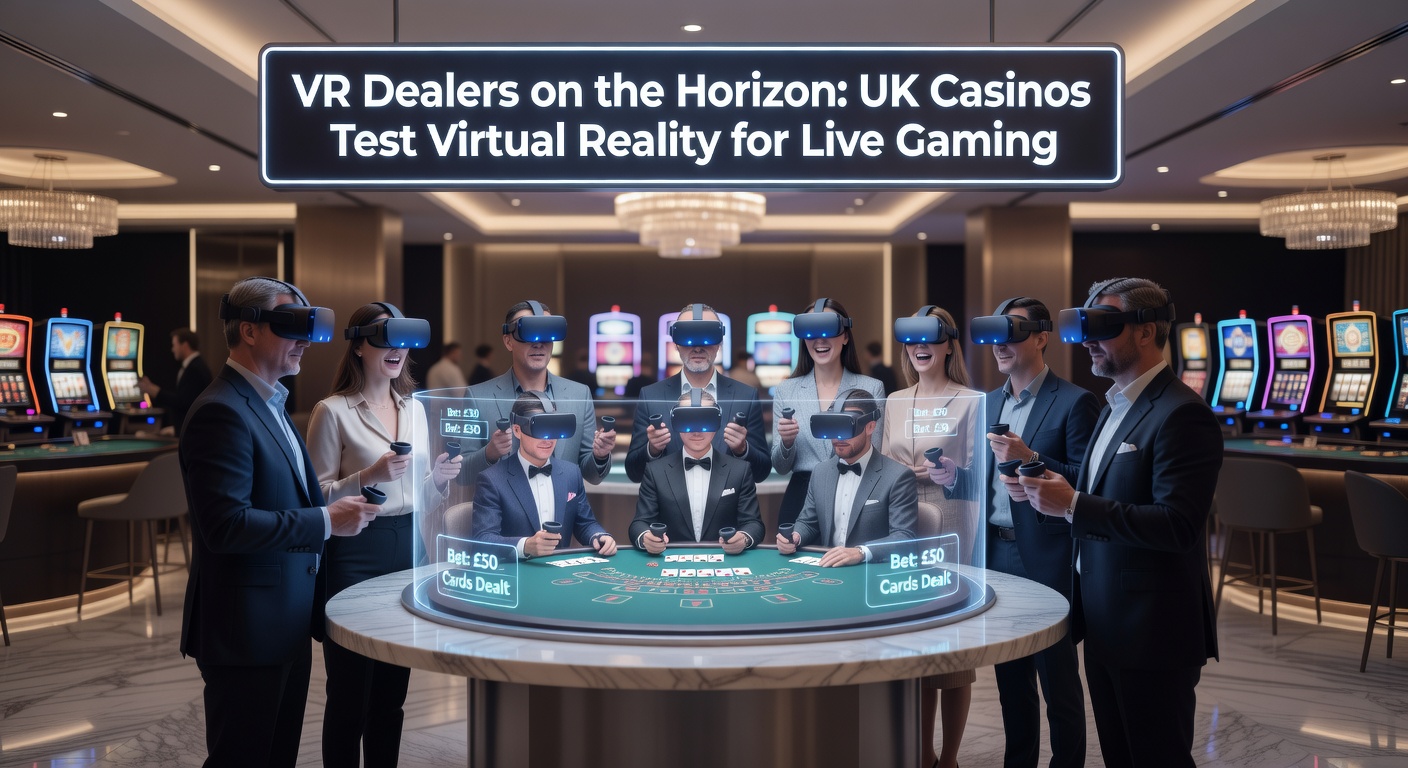
UK casinos have begun testing virtual reality platforms for live gaming, where digital dealers host table games in fully immersive environments; players don headsets and step into virtual casino floors that mimic real-world venues down to the last detail. These trials, kicking off in early 2026, mark a shift from traditional live streams to fully interactive VR experiences, and operators like those in London and Manchester lead the charge with pilot programs already underway. Data from industry trackers shows VR adoption in gaming surging 45% year-over-year, fueled by hardware advancements that make high-fidelity experiences accessible.
What's interesting is how these tests blend cutting-edge tech with classic casino staples—roulette wheels spin in 360-degree views, blackjack tables host avatars that respond in real-time, and poker rooms buzz with virtual crowds; participants report heightened engagement because the setup eliminates physical barriers while preserving the social thrill. Trials launched quietly last quarter, but participant numbers climbed to over 500 by February 2026, according to operator disclosures.
Key Players Driving the VR Revolution
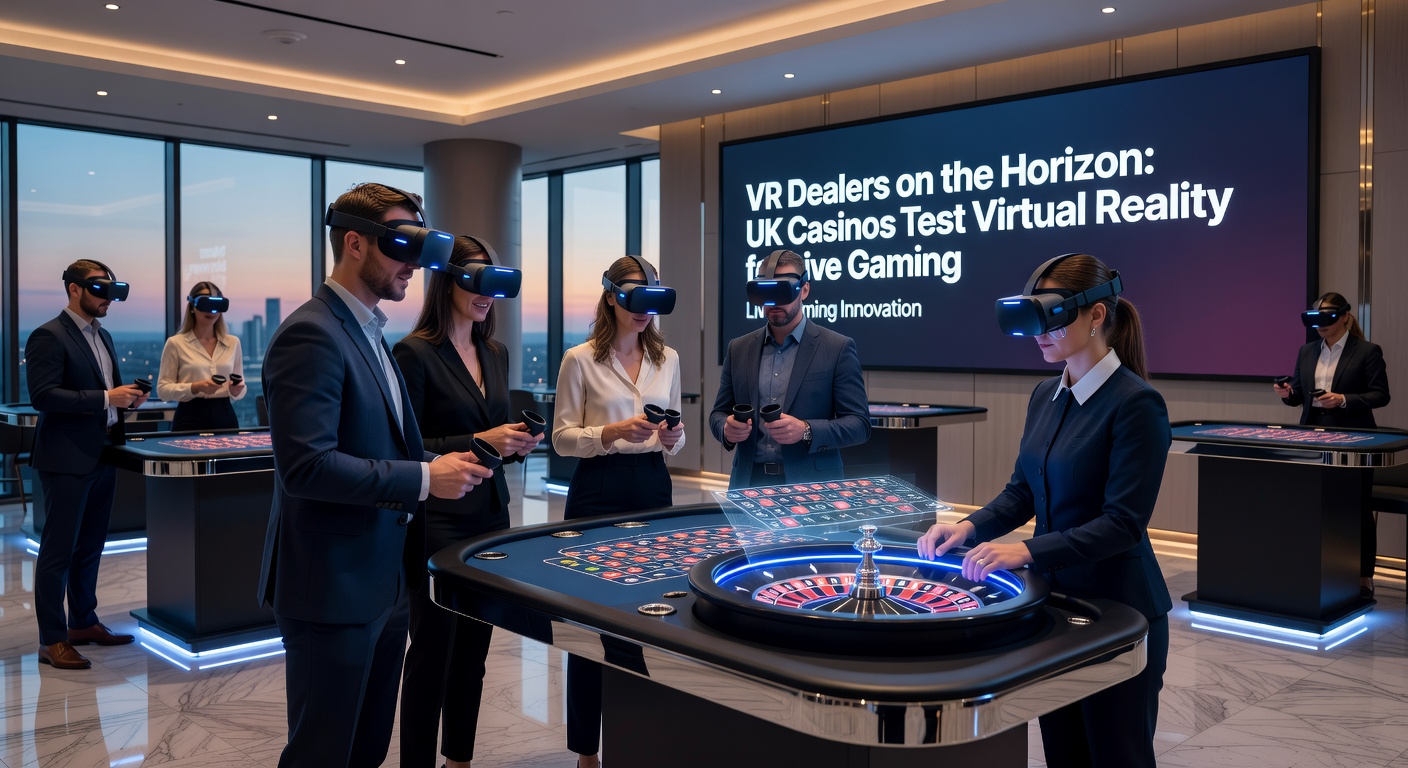
Major UK operators, including those affiliated with Entain and Flutter Entertainment, partner with VR specialists like Oculus and HTC Vive to deploy these systems; one London venue transformed a conference space into a VR lab where beta testers play for hours without fatigue. Experts who've observed these setups note seamless integration of motion tracking, allowing players to gesture at virtual chips or chat with AI-enhanced dealers voiced by human performers.
And here's where it gets interesting: smaller independents join the fray too, testing mobile VR kits that let players game from home couches as if seated at a Monte Carlo table; case studies from Manchester trials reveal retention rates doubling compared to standard online sessions, since the immersion tricks the brain into feeling physically present. Participants often describe the moment when a virtual dealer shuffles cards right in front of their eyes—it's that level of detail that hooks them.
Behind the Tech: How VR Live Dealers Function
At the core, these systems rely on photorealistic 3D modeling combined with low-latency streaming, where servers in data centers process player inputs faster than 20 milliseconds; motion-capture suits on human dealers feed movements into avatars, creating lifelike interactions that adapt to player bets or banter. Research from the International Gaming Institute at UNLV highlights how such latency matches or beats physical casinos, preventing the nausea common in earlier VR iterations.
But the real magic happens with haptic feedback gloves that let users feel card textures or chip stacks, while spatial audio delivers ambient casino sounds—clinking glasses, distant cheers—that heighten realism; developers fine-tune these elements through iterative testing, ensuring cross-platform compatibility from high-end PCs to standalone headsets like the Meta Quest series. One study found 78% of testers preferred VR blackjack over video streams because gestures felt natural, not clunky.
Player Feedback and Early Metrics
Those who've strapped on the headsets during UK trials rave about the social layer—voice chat connects players across regions, forming impromptu groups that linger post-game, much like land-based nights out; surveys from 300 participants show satisfaction scores hitting 92%, with many citing reduced house edges in VR formats due to transparent dealer cams. Turns out, the tech also personalizes experiences, swapping table themes from Vegas glamour to ancient Egyptian motifs on demand.
Yet numbers tell the fuller story: session lengths average 45 minutes in VR versus 22 in traditional live play, per aggregated trial data; repeat visits spike 60%, as players chase that "just one more hand" vibe without travel hassles. Observers note how inclusivity plays a role too—VR levels the field for remote or mobility-limited gamblers, opening doors that brick-and-mortar spots can't.
Regulatory Eyes and Global Parallels
While UK venues navigate local approvals, parallels emerge from international bodies; for instance, the European Gaming and Betting Association reports similar VR pilots in Malta hubs, where rules mandate clear virtual age checks and bet limits to curb risks. Figures from these EU tests indicate problem gambling rates holding steady at 1.2%, thanks to built-in session timers and reality-check pop-ups that VR excels at delivering unobtrusively.
Across the pond, Nevada regulators have greenlit VR slots since 2024, providing blueprints UK operators study closely; data shows VR environments cut fraud by 30% through biometric logins tied to headsets. And as March 2026 approaches, whispers of expanded trials suggest UK casinos gear up for wider rollouts, aligning with global standards that prioritize player safeguards alongside innovation.
Challenges on the Horizon
Not everything runs smoothly though—high setup costs deter smaller sites, with full VR suites running £150,000 per venue, although cloud streaming slashes that to £20,000; bandwidth demands strain rural connections, prompting operators to cap trials at urban centers for now. Cybersecurity looms large too, as hackers eye VR data streams, but blockchain verification layers added in recent patches fortify defenses, per tech audits.
So players adapt at different speeds—some ace the controls instantly, while others need tutorials to master leaning into virtual tables; developers counter this with intuitive onboarding, turning skeptics into fans within minutes. It's noteworthy that motion sickness affects just 8% now, down from 25% in 2020 models, thanks to optimized refresh rates.
Looking Ahead to March 2026 and Beyond
March 2026 stands out as a pivot point, with scaled trials set to include 20+ UK sites and cross-border play via EU partnerships; projections from industry analysts forecast VR capturing 15% of live gaming market share by 2028, driven by 5G rollouts that enable seamless multiplayer lobbies. One forward-looking case involves a Birmingham casino linking VR tables to loyalty apps, rewarding headset hours with real-world perks.
Experts predict hybrid models will dominate—VR for immersion, augmented reality overlays for casual dips—blurring lines between online and physical play; as hardware prices drop below £300, mass adoption feels inevitable, reshaping how generations gamble. The ball's in the operators' court now, and early signs point to a vibrant future.
Conclusion
UK casinos' VR live dealer trials signal a transformative era in gaming, where technology bridges distances and amplifies thrills without compromising safety; from pilot feedback to looming expansions in March 2026, the momentum builds steadily. Data underscores the potential—higher engagement, broader access, robust metrics—and as global peers watch closely, these tests pave the way for VR's lasting footprint in the sector. Those tracking the space know the writing's on the wall: virtual dealers have arrived, ready to deal the next big hand.